 how-to
Nutraceuticals to Support Cancer Treatment
Table of Contents
- What Nutraceuticals Are and How They Work in Oncology
- Supplements to Avoid During Chemotherapy
- Cancer Drug and Supplement Interactions
- Antioxidants During Chemotherapy: Safety and Evidence
- Questions to Ask Your Oncologist About Supplements
- Building a Personalized Nutraceutical Protocol During Treatment
- Ensuring Quality and Safety in Your Supplement Choices
- Frequently Asked Questions
Last Updated: October 9, 2026
What Nutraceuticals Are and How They Work in Oncology
Nutraceuticals are food-derived compounds or supplements designed to support specific health outcomes beyond basic nutrition. In cancer care, nutraceuticals cancer treatment involves modulating immune function, reducing oxidative stress, and replenishing micronutrients that chemotherapy and radiation deplete. At Advanced Cancer Coaching, we recognize they work through multiple pathways: enhancing cellular signaling and reducing systemic inflammation.
Common nutraceuticals in oncology include:
- Curcumin, modulates inflammatory pathways and tumor microenvironment
- Vitamin D, supports immune modulation and cellular differentiation
- Probiotics, restore gut microbiota damaged by treatment
Each works through distinct mechanisms and carries different interaction risks with cancer drugs, so personalized guidance matters more than generic lists.
Supplements to Avoid During Chemotherapy
Certain supplements interfere with chemotherapy efficacy or increase toxicity risk. Avoiding them during active treatment protects your therapeutic index.
High-dose antioxidants are the most common concern. Chemo drugs kill cancer cells partly by generating reactive oxygen species, and aggressive antioxidant supplementation can blunt that mechanism. This includes:
- Vitamins C and E at high doses
- Alpha-lipoic acid
- N-acetylcysteine (NAC)
Herbal immunostimulants can trigger excessive immune activation when the goal is controlled cytotoxicity:
- Echinacea
- Astragalus at therapeutic doses
- Reishi mushroom extracts
Enzyme supplements like bromelain and serrapeptase may increase bleeding risk, especially with platinum-based drugs. St. John's Wort induces cytochrome P450 enzymes, reducing drug bioavailability for many cancer medications.
The safest approach: run every supplement past your oncology team before starting. Oncologists can often distinguish between problematic and supportive options.
Cancer Drug and Supplement Interactions
Herb-drug interactions occur through several mechanisms.
Cytochrome P450 induction is the most common pathway. Certain supplements speed up liver drug metabolism, lowering blood levels and reducing efficacy. St. John's Wort is the classic example, but others include:
- Milk thistle
- Goldenseal
- Garlic supplements at high doses
Enzyme inhibition works the opposite way: some compounds slow drug metabolism, raising blood levels and toxicity risk. Grapefruit is notorious, but also:
- Turmeric (curcumin)
- Quercetin
- Resveratrol
Protein binding competition affects drugs that bind tightly to albumin; certain supplements displace the drug from the same binding sites.
Anticoagulation interactions matter if you're on blood thinners. Garlic, ginger, ginkgo, and high-dose vitamin E all have mild antiplatelet effects.
Most interactions are dose- and timing-dependent: ginger in food differs from ginger capsules, and taking a supplement hours away from your medication reduces interaction risk.
How to Cross-Reference Your Own Regimen (Interaction Checker Workflow)
Here is a workflow you can run in about 20 minutes before your next oncology visit.
Step 2, Write down every supplement, in three columns. Product name, dose per serving, and form (powder, capsule, tea, food).
Step 3, Run each supplement through at least two sources.
- NIH Office of Dietary Supplements fact sheets, free, plain-language, updated regularly. Good for vitamins, minerals, and common botanicals.
- Memorial Sloan Kettering's About Herbs database, free and built for oncology. Each entry lists known interactions with chemotherapy and radiation.
- Natural Medicines (Natural Standard) database, subscription-based, but many hospital and cancer-center libraries provide free access. Ask your oncology nurse navigator.
Step 4, Flag anything that hits one of these four red categories.
- CYP3A4 inducers or inhibitors (St. John's Wort, goldenseal, high-dose garlic, grapefruit, piperine). Many chemo drugs are CYP3A4 substrates, so these can shift blood levels substantially.
- Antiplatelet or anticoagulant activity (ginkgo, garlic, ginger, high-dose vitamin E, fish oil above roughly 3 g/day).
- Hormonal activity (soy isoflavones, red clover, black cohosh, DHEA). Relevant for hormone-sensitive breast, prostate, and endometrial cancers.
Step 5, Bring the flagged list to your oncology pharmacist. Not just your oncologist, the pharmacist, trained specifically in drug-supplement interactions.
Timing as a Risk-Reduction Tool
Even when a supplement is safe in principle, timing can change the math:
- Hold high-antioxidant supplements for 24-48 hours before and after an infusion when the drug relies on oxidative stress (anthracyclines, platinum agents, radiation).
- Separate supplement and drug doses by at least 2 hours for anything with potential binding or absorption interactions (calcium, iron, magnesium, zinc, and thyroid medications are classic examples).
- Take fat-soluble supplements (vitamin D, omega-3s, curcumin) with a meal containing fat, absorption can differ by several-fold between fed and fasted states.
These are general patterns, not prescriptions. Your specific regimen determines what applies.
NIH Office of Dietary Supplements fact sheets About Herbs database for oncology interactions
Antioxidants During Chemotherapy: Safety and Evidence
The concern is real. Many chemotherapy drugs work by generating oxidative stress that triggers cancer cell death. High-dose antioxidant supplementation during active chemo could theoretically blunt that mechanism.
But the clinical picture is messier. Cancer patients often develop severe oxidative stress that damages healthy tissue, and moderate antioxidant support may protect normal cells without shielding cancer cells.
The evidence-based approach distinguishes between:
- Food-based antioxidants, vegetables, fruits, green tea, generally safe and beneficial
- Moderate-dose supplements, standard multivitamins with antioxidants, usually acceptable
- High-dose isolated antioxidants, megadose vitamin C, E, or beta-carotene, avoid during active chemotherapy
Timing matters too: many oncologists approve antioxidant support between chemo cycles when oxidative damage to healthy tissue peaks, but recommend avoiding them immediately before and during infusions.
Individual cancer types and drug regimens carry different risks, a patient on platinum-based drugs faces different concerns than someone on targeted therapy. That's why personalized guidance makes the difference: an expert can analyze your specific protocol and recommend accordingly.
Questions to Ask Your Oncologist About Supplements
Most oncologists welcome this conversation when you frame it as collaboration, not challenge.
Start with honesty about what you're already taking:
- "I'm interested in supporting my treatment with supplements. Can we review what I'm currently taking and what might help?"
- "Are there specific nutrients my treatment depletes that we should replace?"
- "Which supplements are safest to use alongside my chemotherapy?"
Then ask about your specific situation:
- "Does my drug regimen have known interactions with common supplements?"
- "When is the safest time to start supplementation, during treatment or between cycles?"
- "Are there supplements that support immune function without interfering with my chemotherapy?"
Bring a written list of everything you're considering, brand names, doses, timing. Your oncology team can cross-reference these against your drug interactions database in minutes.
Building a Personalized Nutraceutical Protocol During Treatment
Generic supplement protocols fail because nutraceuticals cancer treatment is radically individual, your protocol depends on cancer type, stage, drug regimen, side effect profile, and metabolic status. A personalized approach starts with assessment:
- What micronutrients is your treatment depleting?
- Which side effects are limiting your quality of life?
- What's your current nutritional status (labs, symptoms)?
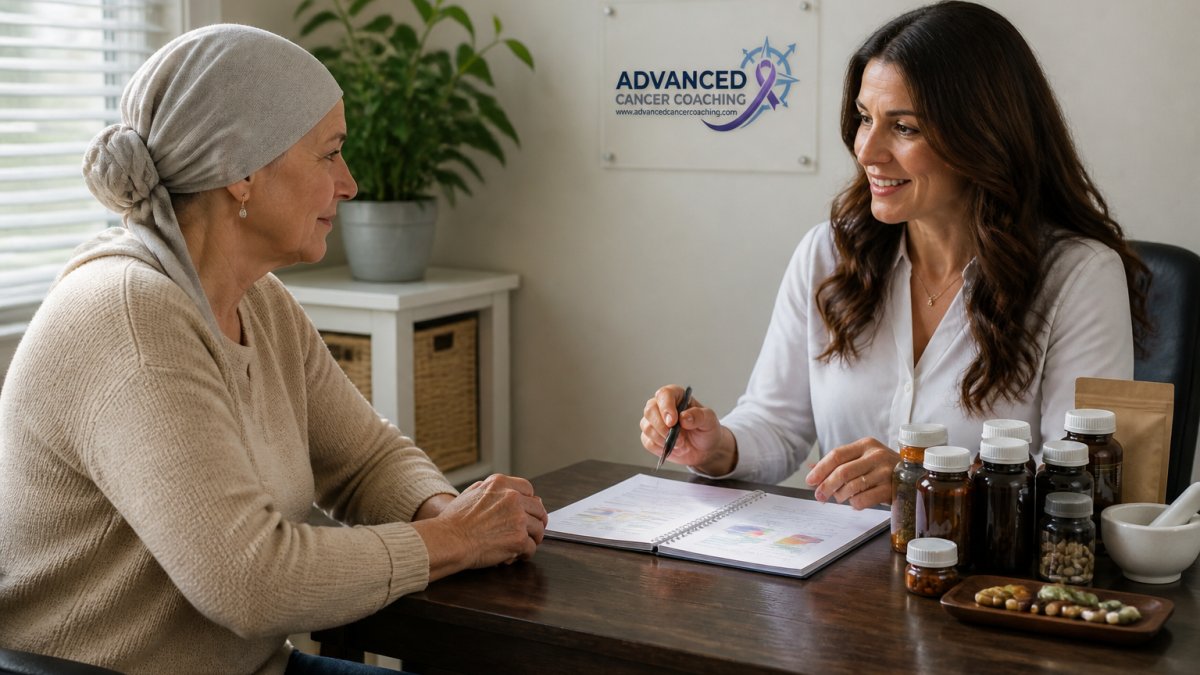
From there, the protocol typically includes:
- Core support, multivitamin, omega-3s, probiotics for most patients
- Symptom-specific additions, glutamine for mouth sores, ginger for nausea, magnesium for sleep
- Immune modulation, mushroom extracts or medicinal herbs matched to your cancer type
A Stage-Aware Framework (Not a Prescription)
Stage changes the goal of supplementation, the same supplement that helps in one phase can be counterproductive in another. This framework is for discussion with your oncology team, not self-prescribing.
Neoadjuvant / active curative-intent treatment (often stages I-III). The goal is to protect treatment efficacy and manage side effects so the full planned course can be completed. Priorities:
- Symptom control, glutamine for mucositis, ginger for nausea, magnesium for cramps and sleep.
- Nutritional repletion, correcting documented deficiencies (vitamin D, B12, iron, zinc) rather than blanket supplementation.
- Gut support, probiotics, particularly Lactobacillus and Bifidobacterium strains, to reduce antibiotic-associated and chemo-associated diarrhea. Timing matters: many oncologists recommend pausing probiotics during neutropenic windows because of infection risk in immunocompromised patients.
Adjuvant / post-treatment surveillance (often stages I-III after primary therapy). The goal shifts toward recovery, recurrence risk reduction, and long-term health. Priorities:
- Bone and metabolic health, vitamin D, calcium (if diet is insufficient), omega-3s.
- Inflammation modulation, curcumin and omega-3s are commonly discussed, though evidence for recurrence reduction is mixed and should be framed honestly.
- Rebuilding gut microbiome, fermented foods, fiber, and targeted probiotics.
Metastatic / palliative-intent treatment (often stage IV). The goal is quality of life, symptom control, and supporting tolerance of ongoing therapy. Priorities:
- Aggressive symptom management, this is where glutamine, ginger, magnesium, and omega-3s earn their place.
- Appetite and weight maintenance, high-calorie, high-protein nutrition; discuss with a registered dietitian.
- Avoiding anything that could reduce drug exposure, CYP3A4 inducers and high-dose antioxidants are especially risky here because the therapeutic margin is often narrower.
Regimen-Specific Considerations
Beyond stage, the specific drug class shapes what's safe:
- Anthracyclines (doxorubicin, epirubicin) generate oxidative stress as part of their mechanism, high-dose antioxidants during infusion are typically avoided.
- Platinum agents (cisplatin, carboplatin, oxaliplatin), same antioxidant caution, plus attention to magnesium and potassium repletion, which these drugs deplete.
- Taxanes (paclitaxel, docetaxel), CYP3A4 and CYP2C8 substrates; watch inducers and inhibitors.
The Psychological Dimension Most Articles Skip
There is a real, evidence-supported psychological benefit to feeling like you are doing something concrete alongside your treatment. Patients with a sense of agency often report better coping, communication, and adherence.
That benefit only holds when supplementation is safe and coordinated. Secret supplementation produces the opposite: anxiety about interactions, reluctance to report side effects, and worse outcomes. Channel the impulse to act into a structured, transparent protocol your team can support.
Reassessment Cadence
As treatment progresses, side effects and nutritional needs shift, so a protocol from month one may need adjustment by month three. A practical cadence:
- Every cycle, note new side effects, appetite changes, and any new supplements you've added.
- Every 4-8 weeks, review labs (CBC, CMP, vitamin D, B12, iron studies) with your team and adjust repletion accordingly.
- At every treatment transition, moving from active treatment to surveillance, or changing regimens, is a natural point to rebuild the protocol from scratch.
Advanced Cancer Coaching helps you build this logic: rather than a pre-made list, an expert can analyze your stage, regimen, labs, and side effects to create a protocol that fits your body and treatment plan.
Ensuring Quality and Safety in Your Supplement Choices
Not all supplements are created equal. Manufacturing standards, ingredient purity, and potency vary wildly.
Third-party testing is your quality assurance. Look for:
- USP Verified, United States Pharmacopeia standard
- NSF Certified, NSF International testing
- ConsumerLab certified, independent testing for contents and contaminants
These certifications mean a third party confirmed the label matches what's inside.
Bioavailability affects whether your body can use what you're taking.
| Consideration | Why It Matters | Action |
|---|---|---|
| Third-party testing | Confirms purity and potency | Look for USP, NSF, or ConsumerLab marks |
| Bioavailable form | Ensures your body absorbs it | Ask your provider about optimal forms |
| Dose timing | Maximizes absorption and minimizes interactions | Take with meals or as directed |
| Batch consistency | Ensures every bottle is the same | Buy from reputable manufacturers |
Sourcing matters too. Buy from established manufacturers, not unknown discount brands. With minimal FDA oversight, your due diligence matters.
Supporting your cancer treatment with nutraceuticals requires informed decision-making and professional guidance.
Frequently Asked Questions
Can nutraceuticals be used alongside conventional cancer treatment?
Yes, nutraceuticals can complement conventional cancer treatment when selected carefully and coordinated with your oncology team. The goal is to support immune modulation, reduce systemic inflammation, and help manage treatment side effects without interfering with chemotherapy or radiation efficacy. However, not all supplements are safe during active treatment. Some may reduce the effectiveness of certain drugs or increase toxicity. This is why open communication with your oncologist about every nutraceutical you're considering is essential before starting any new supplement regimen.
Which supplements can interfere with my cancer medication?
Several common supplements can interfere with cancer drugs through pharmacokinetic interactions. High-dose vitamin C, St. John's Wort, and certain herbal compounds may affect how your body metabolizes chemotherapy agents. Ginkgo biloba can increase bleeding risk if you're on anticoagulants used alongside cancer treatment. Curcumin and green tea extract, while studied for potential anti-cancer properties, may interfere with specific drug classes. The safest approach is to provide your oncologist with a complete list of every supplement, herb, and nutraceutical you take, including doses. They can screen for contraindications with your specific treatment protocol.
How do I know if a supplement is safe and high-quality?
Look for third-party testing certifications from organizations like USP (U.S. Pharmacopeia), NSF International, or ConsumerLab. These certifications verify that the product contains what the label claims and is free from contaminants. Check the ingredient list for fillers, binders, and additives. During cancer treatment, purity is critical because your body's ability to process and eliminate toxins may be compromised. Request certificates of analysis from the manufacturer if available. Avoid supplements with vague ingredient lists or unsubstantiated claims about curing cancer. Discuss specific brands with your oncology team or integrative oncology specialist before purchasing.
What should I tell my oncologist about the supplements I'm considering?
Provide your oncologist with a detailed list that includes the supplement name, dose, frequency, and the reason you want to take it. Be honest about any supplements you're already taking. Ask specifically whether each one is safe with your chemotherapy regimen, radiation schedule, or immunotherapy. Discuss any potential interactions with your other medications. Ask about the evidence supporting the supplement for your cancer type and stage. Request their guidance on timing, some supplements should be taken at different times than your medications to minimize interactions. This conversation ensures your nutraceutical protocol truly supports, rather than undermines, your conventional treatment plan.