 how-to
Non-Toxic Healing Modalities for Resilience
Table of Contents
- What Non-Toxic Healing Modalities Mean for Cancer Patients
- Complementary Therapies for Cancer Patients: What the Evidence Shows
- Mind-Body Practices for Cancer Stress: Building Emotional Resilience
- Safe Complementary Therapies During Chemotherapy
- How to Choose and Try a Healing Modality
- Measuring Resilience and Tracking Outcomes
- Integrating Healing Modalities with Conventional Treatment
- Frequently Asked Questions
Last Updated: October 17, 2026
What Non-Toxic Healing Modalities Mean for Cancer Patients
Non-toxic healing modalities for resilience are complementary approaches that support emotional and physical well-being without adding harmful substances to your body during cancer treatment. These practices work alongside conventional oncology care, not instead of it, to help you manage stress, build emotional resilience, and improve your quality of life.
At Advanced Cancer Coaching, we recognize that cancer treatment is demanding. Your body faces chemotherapy side effects, radiation impacts, and the emotional weight of diagnosis. Non-toxic healing modalities address what conventional medicine sometimes cannot: the psychological and somatic dimensions of recovery.
These modalities include mind-body practices, breathing techniques, movement therapies, energy healing, and nature-based approaches. Each offers different entry points depending on your treatment phase, energy level, and personal preference.
Complementary Therapies for Cancer Patients: What the Evidence Shows
Complementary therapies have gained recognition in oncology settings. Many cancer centers now integrate mind-body practices into their standard care protocols. This shift reflects growing awareness that holistic health approaches can meaningfully support treatment outcomes and quality of life.
Mind-Body Practices and Stress Reduction
Mind-body practices create a direct link between your mental state and physical response. Stress activates your fight-or-flight system, which increases cortisol and inflammatory markers. Sustained stress weakens your ability to recover. Mind-body work interrupts this cycle by activating your parasympathetic nervous system, your body's "rest and digest" mode.
Practices like meditation, yoga, and tai chi have been studied in cancer populations. Patients report reduced anxiety, better sleep, and lower perceived pain. The mechanism is straightforward: when you calm your mind, your body follows. Your breathing slows. Your muscles relax. Inflammation markers often improve.
These practices are particularly valuable during chemotherapy because they offer something you can control when treatment decisions feel out of your hands. You choose when to practice, how long to sit, what pace feels right.
Breathing Practices and Mindfulness
Breathing is the bridge between conscious and unconscious control. You breathe automatically, but you can also direct your breath intentionally. This dual nature makes breathing practices a powerful tool for emotional resilience.
Structured breathing, techniques like box breathing (inhale for 4 counts, hold for 4, exhale for 4, hold for 4) or extended exhale breathing, activates your parasympathetic nervous system within minutes. Mindfulness practices anchor your attention to the present moment, reducing rumination about treatment outcomes or future uncertainties.
Many cancer patients find that 5-10 minutes of intentional breathing before a treatment appointment reduces anxiety. Others use breathing during difficult moments, scan results, side effect flare-ups, emotional overwhelm. The practice is accessible anywhere, requires no equipment, and works immediately.
Movement-Based Practices
Movement therapy encompasses yoga, dance, drumming, and gentle walking. These practices serve dual purposes: they maintain physical capacity during treatment and provide emotional release.
Gentle movement helps counteract treatment fatigue and deconditioning. It also provides a somatic outlet, a way to process and release stored tension in your body. Dance and drumming add rhythmic, expressive dimensions that engage both body and emotion. Group practices like yoga classes or drum circles offer community, which itself is healing.
Movement-based practices are particularly valuable for building what researchers call developmental capacities, your body's ability to stabilize, adapt, and recover. Regular gentle movement maintains muscle tone, improves circulation, and supports lymphatic drainage.
Energy Healing and Somatic Bodywork
Energy healing modalities like Reiki and acupressure work with your body's energetic systems. While the mechanisms are not fully understood through conventional medical frameworks, many cancer patients report deep relaxation, reduced pain, and improved emotional balance after these sessions.
Acupressure, a non-invasive form of acupuncture using finger pressure on specific points, may help with nausea, pain, and anxiety. Reiki involves a practitioner directing energy through their hands to support healing. Somatic bodywork, techniques that work directly with your nervous system through touch and awareness, helps release trauma stored in your body.
These modalities are particularly useful if you have needle anxiety or prefer non-invasive approaches. They create space for deep rest, which your body needs during intensive treatment.
Nature-Based Practices
Nature-based practices include forest bathing (mindful time in natural settings), ecotherapy, and time in green spaces. Research shows that time in nature reduces stress hormones, lowers blood pressure, and improves mood.
For cancer patients, nature offers sensory grounding. The sounds, scents, and textures of natural environments pull your attention away from treatment anxiety. Even 15-20 minutes in a park or garden can shift your stress response. If mobility is limited, a window view of trees or plants offers measurable benefit.
Mind-Body Practices for Cancer Stress: Building Emotional Resilience
Emotional resilience is not about "staying positive", a phrase that often dismisses legitimate suffering. True resilience means developing the capacity to acknowledge difficulty, feel your emotions fully, and still move forward.
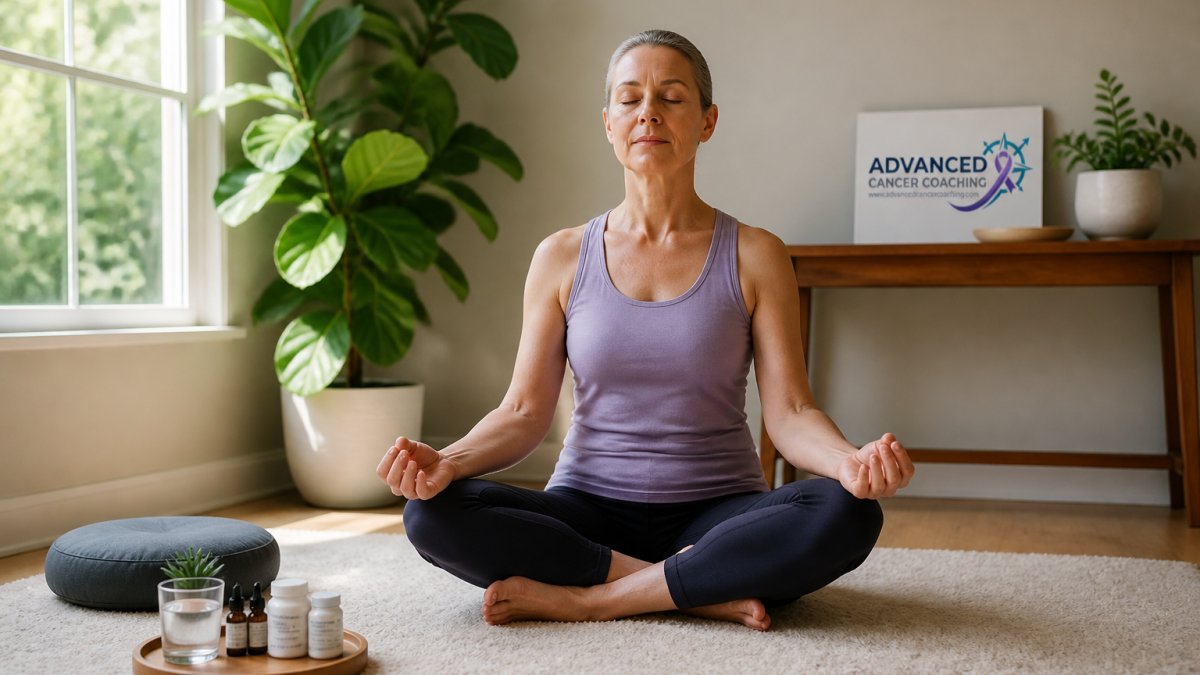
When you practice meditation or breathwork regularly, you strengthen your ability to notice stress without being overwhelmed by it.
This skill is essential during cancer treatment. You will face difficult news, side effects, uncertainty. Resilience practices do not eliminate these challenges.
Many patients find that consistent practice (even 10 minutes daily) measurably shifts how they respond to treatment setbacks. Anxiety becomes manageable. Sleep improves. The constant mental chatter quiets.
Safe Complementary Therapies During Chemotherapy
Safety is non-negotiable. Certain practices and substances can interfere with chemotherapy effectiveness or create harmful interactions. Your oncology team must be part of every decision about complementary approaches.
Contraindications and Safety Considerations
Some practices require modification during active chemotherapy. High-intensity exercise may be contraindicated if your white blood cell count is low. Certain herbal supplements can interact with chemotherapy drugs. Acupuncture requires sterile technique to prevent infection if your immune system is compromised.
The key is transparency. Before starting any practice, discuss it with your oncologist. Bring a list of specific modalities you are considering. Ask directly: "Will this interfere with my treatment? Are there timing or dosage considerations?"
Practices generally considered safe during chemotherapy include:
- Gentle yoga and stretching
- Meditation and mindfulness
- Breathing exercises
- Reiki and energy work
- Acupressure (with clean technique)
- Nature time and forest bathing
- Gentle walking
Practices requiring caution or modification:
- Vigorous exercise (timing depends on blood counts)
- Herbal supplements (many interact with chemo drugs)
- Acupuncture with needles (infection risk if immunocompromised)
- Intense heat exposure (saunas, hot baths during certain phases)
Evaluating Practitioner Qualifications
Not all practitioners are equally trained. Credentials vary widely. A "certified" energy healer may have completed a weekend workshop. A licensed acupuncturist has completed hundreds of hours of training and passed licensing exams.
When choosing a practitioner, ask:
- What training have you completed, and where?
- Are you licensed or certified in your field?
- Do you have experience working with cancer patients?
- Will you communicate with my oncology team?
- What is your scope of practice? (Do you claim to treat cancer, or do you support well-being alongside treatment?)
Red flags include practitioners who claim to cure cancer, recommend stopping conventional treatment, or avoid discussing their qualifications. Trustworthy practitioners are transparent about their training, honest about evidence limitations, and collaborative with your medical team.
How to Choose and Try a Healing Modality
Choosing a practice can feel overwhelming. You are already managing treatment decisions. Adding another choice feels like too much. This framework simplifies the process.
Step 1: Assess Your Current Stress Response and Goals
Before choosing a practice, identify what you need. Are you struggling with sleep? Anxiety? Physical pain? Emotional numbness? Different modalities address different needs.
Ask yourself:
- What is my biggest struggle right now, emotional, physical, or both?
- What time and energy do I realistically have?
- Do I prefer solo practice or group settings?
- Am I drawn to movement, stillness, touch, or nature?
Your answers point toward modalities that fit your actual life, not an idealized version of yourself.
Step 2: Research Modalities Aligned with Your Treatment Plan
Once you know what you need, research specific modalities. Read about how they work. Watch videos. Read patient testimonials. Look for information about evidence, what research exists, and what claims are speculative.
Consider your treatment phase. During active chemotherapy, you might choose gentle practices. During recovery, you might explore more vigorous movement. Tailor your approach to your current capacity.
Step 3: Discuss with Your Oncology Team
Bring your research to your oncologist or oncology nurse. Show them the specific practice you are considering. Ask about timing, frequency, and any contraindications for your particular treatment protocol and health status.
This conversation accomplishes several things: it ensures safety, it demonstrates your proactive engagement in your care, and it creates alignment between your complementary and conventional approaches.
Step 4: Track Your Response and Adjust
Start with a 4-week trial. Practice consistently (ideally 3-4 times weekly) so you can accurately assess impact. Track what you notice: sleep quality, anxiety levels, pain, mood, energy.
After 4 weeks, evaluate. Did this modality help? Do you feel more resilient, more grounded, more able to handle treatment? If yes, continue. If no, try something different. There is no single "best" practice, only what works for you.
Measuring Resilience and Tracking Outcomes
Resilience is real, but it is not always obvious. You need ways to measure it so you can recognize progress.
Practical measures include:
- Sleep quality (hours, restfulness)
- Anxiety levels (on a 1-10 scale before and after practice)
- Physical pain or tension (location, intensity, duration)
- Emotional baseline (mood, ability to focus, sense of agency)
- Treatment tolerance (side effect severity, ability to complete planned treatment)
- Social engagement (capacity to connect with others)
Track these weekly in a simple notebook or app. You will see patterns. Most people notice shifts within 2-3 weeks of consistent practice. Sleep improves first. Anxiety becomes more manageable. Emotional reactivity decreases.
Over months, the cumulative effect is substantial. You develop genuine emotional resilience, not through positive thinking, but through embodied practice that rewires your stress response.
Integrating Healing Modalities with Conventional Treatment
The most powerful approach combines complementary practices with conventional oncology care. They are not competing systems. They are complementary.
Your oncology team manages the disease. Healing modalities manage your capacity to tolerate treatment and recover afterward. Your surgeon removes the tumor. Breathing practices help you manage the fear before surgery.
This integration requires communication. Share what you are doing with your medical team. Ask questions. Adjust based on their guidance.
At Advanced Cancer Coaching, we help cancer patients build this integrated approach.
Cancer treatment demands everything from you, physically, emotionally, and mentally. Advanced Cancer Coaching specializes in helping cancer patients identify and implement these modalities as part of a comprehensive, integrative approach to treatment and recovery.
Frequently Asked Questions
What does resilience mean during cancer treatment?
Resilience during cancer treatment refers to your capacity to cope with emotional distress, adapt to physical changes, and maintain quality of life despite the stress of diagnosis and therapy. It's not about staying positive or avoiding difficult emotions, it's about developing practical coping skills and stabilization strategies that help you move through treatment with greater emotional balance. Healing modalities support resilience by reducing stress response activation and strengthening your ability to recover between treatment phases.
Are complementary therapies safe to use during chemotherapy?
Many complementary therapies are safe during chemotherapy when chosen carefully and discussed with your oncology team first. Mind-body practices like meditation, gentle yoga, and breathing techniques carry minimal risk. However, some herbal supplements, high-dose nutraceuticals, and certain acupuncture approaches can interfere with chemotherapy or worsen side effects. Always inform your oncologist about any modality you're considering, they can help you identify safe complementary therapies during chemotherapy that won't compromise your treatment response.
What are non-toxic healing modalities?
Non-toxic healing modalities are practices that support emotional resilience and well-being without introducing harmful substances or causing adverse interactions with medical treatment. They include mind-body practices like yoga and mindfulness, energy healing such as Reiki, movement therapies like dance, breathing practices, nature-based approaches such as forest bathing, and somatic bodywork. These modalities work through stress reduction, nervous system regulation, and emotional processing rather than pharmaceutical intervention, making them accessible alongside conventional oncology care.
How can I discuss supplements or holistic therapies with my oncology team?
Approach the conversation with transparency and specific information. Bring a written list of any supplements, herbs, or modalities you're considering, including doses and frequency. Explain why you're interested in each one, whether it's stress reduction, side effect management, or immune support. Ask your oncologist directly which modalities they support, which they advise against, and which require timing adjustments around your treatment schedule. Frame the discussion as integrative care that complements, not replaces, conventional treatment. This collaborative approach ensures your healing modalities align with your oncology plan.