 how-to
How to Reduce Systemic Inflammation During Cancer
Table of Contents
- Understanding Systemic Inflammation and Cancer Progression
- Anti-Inflammatory Diet for Cancer Patients
- Supplements to Reduce Inflammation During Chemotherapy
- Gentle Exercise Routines for Cancer Recovery
- Gut Health and Immune Response
- Stress Management and Sleep for Inflammation Control
- Integrating Anti-Inflammatory Strategies with Your Oncology Care
- Frequently Asked Questions
Last Updated: October 4, 2026
Understanding Systemic Inflammation and Cancer Progression
Systemic inflammation is a whole-body immune response where inflammatory markers circulate through your bloodstream. During cancer treatment, this state can intensify, which is why understanding how to reduce systemic inflammation during cancer affects your recovery and quality of life. Reducing systemic inflammation during cancer is not about replacing medical treatment, it's about supporting it.
Cancer cells thrive in chronic inflammatory environments. Lifestyle changes and targeted nutrition can help modulate your immune response and reduce pro-inflammatory markers.
Your oncologist leads your treatment plan. The strategies below complement conventional care, not substitute for it.
Why inflammation matters during cancer:
- Elevated cytokines can worsen fatigue and side effects
- Chronic inflammatory signals may support tumor microenvironment
- Anti-inflammatory approaches support therapeutic outcomes
- Your gut microbiome directly influences systemic inflammation
Anti-Inflammatory Diet for Cancer Patients
Your diet shapes your inflammatory state. Certain foods suppress pro-inflammatory cytokines. Others amplify them. During cancer treatment, this distinction becomes critical.
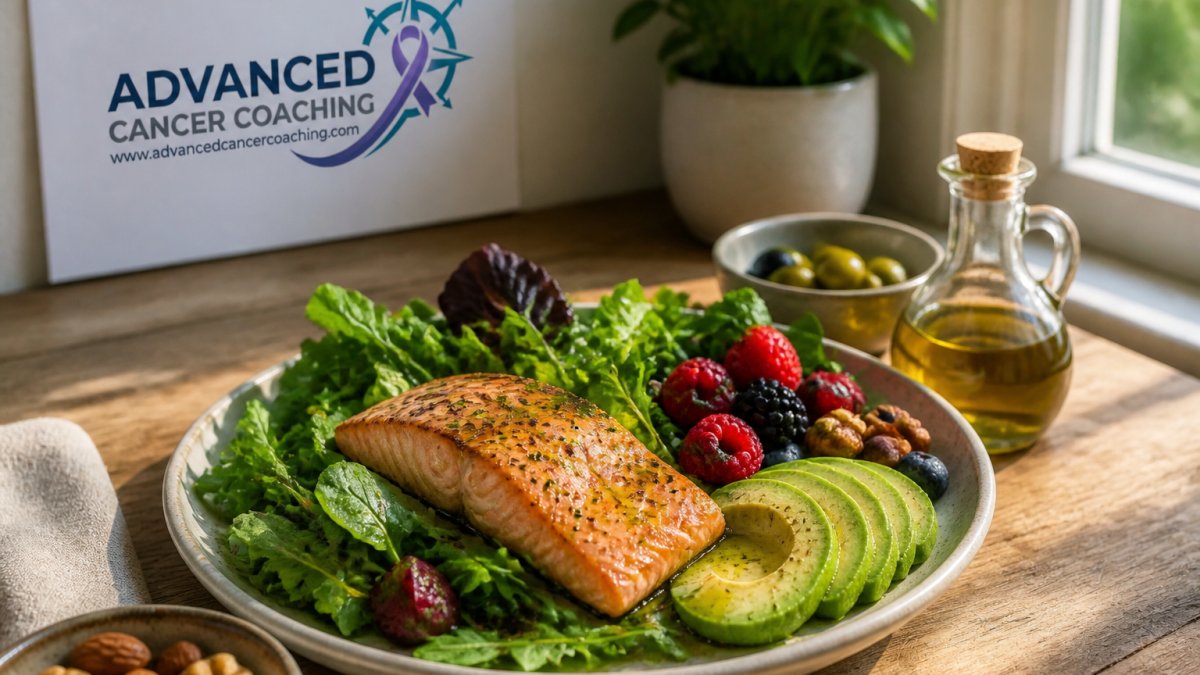
Foods that lower inflammatory markers:
- Fatty fish (salmon, mackerel, sardines) contain omega-3 fatty acids
- Berries (blueberries, raspberries) are rich in antioxidants
- Leafy greens (spinach, kale) provide micronutrients and fiber
- Olive oil contains polyphenols with anti-inflammatory effects
- Cruciferous vegetables (broccoli, cauliflower) support detoxification
- Turmeric and ginger contain compounds that modulate immune signaling
- Legumes and whole grains feed beneficial gut bacteria
Foods to limit during treatment:
- Processed meats and refined sugars spike inflammatory markers
- Seed oils high in omega-6 can shift your inflammatory balance
- Alcohol stresses your liver and immune system during recovery
- Ultra-processed foods lack the micronutrients your body needs
- High-heat cooking methods create compounds that trigger inflammation
Focus on whole, minimally processed foods for maximum nutrient density.
Supplements to Reduce Inflammation During Chemotherapy
Supplementation requires caution. Some compounds interact with chemotherapy drugs. Always inform your oncologist before starting anything new, the difference between helpful and harmful often comes down to dose, timing, and your specific protocol.
Key compounds with research support and practical considerations:
Curcumin (from turmeric) Curcumin modulates inflammatory pathways and may reduce treatment-related fatigue. Bioavailability is low; combine with piperine (black pepper) to increase absorption. Research-backed doses: 500-2000 mg daily with meals containing fat. Critical caution: curcumin inhibits CYP3A4 and can interfere with taxanes and targeted therapies, and may increase bleeding risk with anticoagulants. Separate from chemotherapy infusions by 2-3 hours.
Ginger Ginger reduces nausea and supports digestive function with anti-inflammatory effects on IL-6 and TNF-alpha. Effective doses: 1-2 grams dried root daily or 500-1000 mg standardized extract. Fresh ginger tea is also effective. Generally well-tolerated but can increase bleeding risk at high doses and may interact with antiplatelet medications. Inform your team if taking regularly.
N-acetylcysteine (NAC) NAC replenishes glutathione and reduces oxidative stress from chemotherapy. Research supports 600-1200 mg daily in two doses. Important: high-dose NAC during platinum-based chemotherapy may reduce drug efficacy. Many oncologists recommend holding NAC during active platinum treatment and resuming during recovery. Discuss timing with your medical team.
Probiotics and Prebiotics Probiotics restore gut lining integrity and support beneficial bacteria that produce short-chain fatty acids reducing systemic inflammation. Look for at least 10 billion CFU per dose daily. Prebiotics like inulin and FOS feed beneficial bacteria, aim for 5-10 grams daily from whole foods or supplements. Take probiotics 2-3 hours away from antibiotics. If on gut-damaging chemotherapy (5-FU, irinotecan), start probiotics after acute treatment phases.
Omega-3 Fatty Acids Omega-3s (EPA and DHA) reduce pro-inflammatory cytokine production. Effective doses: 1000-2000 mg combined EPA/DHA daily with meals containing fat. Fish oil is most bioavailable; algae-based options work for vegetarians but require higher doses. Caution: omega-3s have mild anticoagulant effects and can increase bleeding risk above 3000 mg daily. Discuss dosing with your oncology team if on anticoagulants or antiplatelet drugs.
Safety framework and drug interactions:
Some supplements interfere with chemotherapy efficacy. High-dose antioxidants during certain treatments can reduce drug effectiveness by protecting cancer cells from oxidative damage. Your oncology team must approve all supplementation, ideally with input from a clinical nutritionist trained in oncology. Work with someone trained in nutritional oncology who understands your specific protocol, drug regimen, and concurrent medications.
Creating a supplement protocol:
If your oncologist approves supplementation, create a written protocol with your care team that includes: supplement name and brand, dose, timing relative to meals and medications, duration, and specific inflammatory markers or symptoms you're targeting. Review every 4-6 weeks as your treatment phase changes.
Gentle Exercise Routines for Cancer Recovery
Physical activity is one of the most powerful anti-inflammatory interventions. During active treatment, gentle movement wins over ambitious programs. Your goal: consistency, not intensity.
Movement options that reduce inflammation:
- Walking 20-30 minutes most days activates anti-inflammatory pathways
- Gentle yoga improves flexibility and reduces stress hormones
- Swimming provides low-impact resistance and cardiovascular benefit
- Tai chi combines movement with stress reduction and balance
- Resistance bands build muscle without excessive joint stress
Start where you are. Build gradually as your energy improves. Ask your oncology team for input on intensity and type.
Gut Health and Immune Response
Your gut microbiome directly controls systemic inflammation. When the gut lining weakens, bacterial lipopolysaccharides cross into circulation and trigger inflammatory cascades. A healthy microbiome produces short-chain fatty acids that reduce pro-inflammatory signals; dysbiosis amplifies inflammation system-wide.
How to support gut health:
- Eat fiber-rich foods that feed beneficial bacteria
- Include fermented foods (sauerkraut, kimchi, yogurt) for live cultures
- Probiotics may help restore balance after antibiotic use
- Avoid antibiotics unless medically necessary
- Minimize processed foods and added sugars
- Stay hydrated to support mucosal barrier function
Your gut is ground zero for immune modulation. Neglect it, and every other strategy becomes harder.
Stress Management and Sleep for Inflammation Control
Chronic cortisol elevation drives systemic inflammation by suppressing anti-inflammatory IL-10 production, amplifying pro-inflammatory IL-6 and TNF-alpha, and dysregulating your hypothalamic-pituitary-adrenal (HPA) axis. During cancer treatment, elevated cortisol correlates with worse treatment tolerance, increased fatigue, and slower recovery.
Sleep deprivation amplifies inflammatory cytokine production and disrupts your circadian rhythm, the 24-hour biological clock that governs cortisol release, immune cell trafficking, and inflammatory marker fluctuation. Misalignment between your sleep-wake cycle and circadian rhythm amplifies systemic inflammation and reduces treatment efficacy.
The cortisol-inflammation mechanism during cancer treatment:
Chronic stress keeps cortisol elevated, which shifts your immune system toward a pro-inflammatory state. Elevated cortisol suppresses Th1 and Th17 immune responses (needed for tumor surveillance) while promoting Th2 responses (which amplify systemic inflammation).
Sleep, circadian rhythm, and inflammatory markers:
Your circadian rhythm controls the timing of inflammatory marker release. Even one night of poor sleep increases IL-6 and TNF-alpha by 20-30% in healthy people; in cancer patients, the effect is often larger.
Stress reduction practices that lower inflammation:
Meditation and mindfulness Regular meditation (20-30 minutes daily) reduces cortisol by 15-25% and lowers IL-6 and TNF-alpha by activating the parasympathetic nervous system. Mindfulness-based stress reduction (MBSR) programs show consistent reductions in inflammatory markers and improved treatment tolerance.
Breathing exercises Deep, slow breathing (4-second inhale, 6-second exhale, 5-10 minutes) activates the vagus nerve and suppresses inflammatory cytokine release. Box breathing (4-count inhale, 4-count hold, 4-count exhale, 4-count hold, repeat 5-10 times) is particularly effective for acute stress during treatment days.
Journaling Expressive writing about stressful experiences for 15-20 minutes, 3-4 times per week, reduces cortisol and inflammatory markers by externalizing stress and processing the emotional weight of cancer treatment.
Time in nature Even 20 minutes in a natural setting lowers cortisol by 10-15% and increases parasympathetic tone. Morning sunlight exposure resets your circadian rhythm and improves sleep quality. If unable to go outside, viewing nature images or plants provides measurable stress reduction.
Social connection Regular, meaningful social interaction buffers stress and reduces cortisol. Cancer support groups, time with family, or even phone calls with close friends lower inflammatory markers and improve treatment outcomes. Isolation amplifies stress and inflammation; connection is protective.
Sleep hygiene for cancer patients:
Consistent sleep schedule Aim for the same bedtime and wake time every day, even on weekends. This synchronizes your circadian rhythm and optimizes cortisol timing. Most patients tolerate treatment better when they've had 7-9 hours of sleep the night before.
Sleep environment Keep your bedroom cool (65-68°F is optimal), dark, and quiet. Darkness triggers melatonin release, which suppresses inflammatory cytokines and supports immune function. If you're sensitive to light, use blackout curtains. If noise is an issue, white noise machines or earplugs help.
Screen timing Avoid screens 60-90 minutes before bed. Blue light suppresses melatonin and delays sleep onset. If you must use screens, use blue-light filters or glasses.
Caffeine and alcohol timing Limit caffeine after early afternoon (2 PM). Avoid alcohol within 3 hours of bedtime. Both dysregulate cortisol timing and worsen circadian misalignment.
Napping strategy If you're fatigued during treatment, short naps (20-30 minutes in early afternoon) can help without disrupting nighttime sleep. Longer naps (60+ minutes) can increase grogginess and disrupt your circadian rhythm. Avoid napping after 3 PM.
If insomnia persists: Discuss with your oncology team. Cognitive behavioral therapy for insomnia (CBT-I) is more effective than sleep medications for long-term improvement. Melatonin (0.5-3 mg taken 30-60 minutes before bed) supports circadian rhythm and has anti-inflammatory effects.
Integrating Anti-Inflammatory Strategies with Your Oncology Care
Your oncologist needs to know about all supplements, dietary changes, and exercise plans. Some interactions matter; your medical team decides. Advanced Cancer Coaching helps you bridge this gap, understanding oncology protocols and which interventions support treatment response.
Integration checklist:
- Share your nutrition plan with your oncology team
- Get approval for any supplements before starting
- Report exercise tolerance and adjust intensity with medical guidance
- Track how dietary changes affect your side effects and energy
- Communicate openly about what's working and what isn't
The goal isn't to replace chemotherapy or radiation. It's to optimize your body's ability to tolerate and respond to treatment. That's where the real difference happens.
Learning how to reduce systemic inflammation during cancer is about working with your body, not against it. Your oncology team handles the disease. Your supportive care team handles your resilience. Both matter.
If you're feeling overwhelmed by conflicting advice, that's normal. Advanced Cancer Coaching helps you cut through the noise and build a personalized plan that fits your specific treatment protocol, your body, and your life. We offer phone, Zoom, and in-person sessions designed to give you clarity and confidence. Learn more about how precision nutrition supports cancer recovery and get started on a path that honors both conventional treatment and your body's natural healing capacity.
Frequently Asked Questions
How quickly can I reduce systemic inflammation during cancer treatment?
Changes in inflammatory markers typically appear within 2-4 weeks of consistent dietary and lifestyle modifications, though individual timelines vary. Physical activity, sleep quality, and stress management often show measurable benefits sooner than dietary changes alone. Work with your oncology team to monitor biomarkers like C-reactive protein and cytokine levels to track progress. Patience is essential, sustainable inflammation reduction supports better treatment outcomes and recovery.
Can supplements interact with my chemotherapy or immunotherapy?
Yes. High-dose antioxidants, certain herbal compounds, and some probiotics can interfere with chemotherapy effectiveness or immunotherapy response. Turmeric, ginger, NAC, and other anti-inflammatory supplements require careful timing and dosing. Always inform your oncologist before starting any supplement, including vitamins and minerals. A qualified nutritional oncology coach can review your specific treatment protocol and recommend safe, non-interfering options that complement your care plan.
What role does gut health play in managing inflammation during cancer?
Your gut microbiome influences systemic inflammation, immune response, and treatment tolerance. A healthy gut lining reduces bacterial translocation, which drives pro-inflammatory cytokine production. Probiotics, prebiotic foods, and anti-inflammatory dietary choices support beneficial bacteria and gut barrier integrity. During chemotherapy, maintaining microbiome diversity through fiber, fermented foods, and targeted supplementation can reduce treatment side effects and support immune modulation for better therapeutic outcomes.
Is gentle exercise really effective at reducing inflammation, or should I focus only on nutrition?
Physical activity is a cornerstone of inflammation reduction. Even light movement like walking, swimming, or yoga activates anti-inflammatory pathways and improves metabolic health. Studies show that regular, gentle exercise reduces circulating cytokines and inflammatory markers comparable to dietary interventions. The most effective approach combines all three: anti-inflammatory nutrition, appropriate supplementation, and consistent physical activity tailored to your energy and performance status during treatment.