 how-to
Integrative Nutrition for Chemotherapy Recovery: A How-To Guide
Table of Contents
- Understanding Integrative Nutrition During Cancer Treatment
- Step 1: Assess Your Nutritional Needs and Treatment Plan
- Step 2: Build a Foundation with Macronutrients for Tissue Repair
- Dietary Strategies to Reduce Inflammation and Support Immune Function
- Managing Cancer Treatment Side Effects with Diet
- Foods to Avoid After Chemotherapy and Drug-Nutrient Interactions
- Step 3: Create Your Personalized Recovery Meal Plan
- Common Mistakes to Avoid in Post-Treatment Nutrition
- Frequently Asked Questions
Last Updated: October 2, 2026
Understanding Integrative Nutrition During Cancer Treatment
Integrative nutrition for chemotherapy recovery combines evidence-supported dietary strategies with whole foods, targeted supplementation, and lifestyle modifications to support your body through cancer treatment and beyond. At Advanced Cancer Coaching, we help patients understand that what you eat during and after chemotherapy can impact how well your body repairs tissue, manages inflammation, and rebuilds strength.
Step 1: Assess Your Nutritional Needs and Treatment Plan
Gather three pieces of information before making dietary changes: your cancer type and stage, your specific chemotherapy regimen, and any existing health conditions.
Key assessment steps:
- Document your current weight and note any recent weight loss
- List foods you tolerate well and foods that trigger nausea
- Track your energy levels throughout the day
- Note any existing digestive issues or food sensitivities
Step 2: Build a Foundation with Macronutrients for Tissue Repair
Protein is the foundation of recovery. Most cancer patients need 1.2 to 1.5 grams per kilogram of body weight daily to rebuild tissue, support immune function, and maintain muscle mass.
Protein sources that work during treatment:
- Eggs (soft-boiled or scrambled tolerate well when nausea is present)
- Greek yogurt and cottage cheese (cool, smooth textures often feel better)
- Fish and poultry (gentler on digestion than red meat for many patients)
- Plant-based proteins like lentils, beans, and tofu (introduce gradually if digestive upset occurs)
- Bone broth (supports gut barrier repair and provides collagen for wound healing)
- Protein powder added to smoothies, soups, or oatmeal (convenient when eating feels difficult)
Dietary Strategies to Reduce Inflammation and Support Immune Function
Cancer treatment triggers systemic inflammation. Dietary strategies to reduce inflammation focus on whole plant foods rich in phytonutrients and antioxidants that modulate immune response without interfering with treatment.
Managing Cancer Treatment Side Effects with Diet
Diet-driven side effect management requires matching specific foods and meal timing to your dominant symptoms. Generic advice fails because nausea, taste changes, and fatigue demand different nutritional strategies, and what works on day 3 post-infusion may fail on day 10.
Nausea and Appetite Loss
Eat small amounts (2-4 ounces) every 1-2 hours during peak nausea. Frequent small doses prevent metabolic stress of fasting.
Sample nausea-management day (post-infusion, peak nausea window):
- 8 AM: 4 oz ginger tea + 2 saltine crackers
- 10 AM: 4 oz cold Greek yogurt with honey
- 12 PM: 4 oz chilled broth (bone broth or low-sodium vegetable)
- 2 PM: 1 frozen fruit popsicle (homemade or store-bought, no artificial dyes if possible)
- 4 PM: 4 oz cottage cheese with canned peaches (drained)
- 6 PM: 6 oz soft-cooked white rice with 2 tbsp butter and salt
- 8 PM: 4 oz herbal tea (peppermint or chamomile) + 1 slice plain toast
Taste Changes and Metallic Mouth
Chemotherapy damages taste receptors, causing metallic, bitter, or absent taste perception beginning 3-5 days after infusion.
Sample day for taste changes:
- Breakfast: Scrambled eggs with lemon zest + white toast with butter
- Lunch: Grilled chicken breast marinated in lemon and garlic + white rice with lime juice
- Snack: Hummus (made with lemon juice) + cucumber slices
- Dinner: Baked salmon with dill and lemon + roasted carrots with balsamic vinegar
- Beverage: Herbal tea with honey and fresh lemon
Mouth Sores and Difficulty Swallowing
Chemotherapy-induced oral mucositis (mouth sores) develops 5-7 days post-infusion, peaking around day 10-14, making swallowing painful.
Sample day for mucositis:
- Breakfast: Soft-scrambled eggs + white toast with butter (no crust)
- Mid-morning: Protein smoothie (Greek yogurt, banana, milk, honey) blended until completely smooth
- Lunch: Creamy tomato soup (cooled to lukewarm) + soft white bread
- Snack: Applesauce mixed with cottage cheese
- Dinner: Soft-cooked white fish (cod or tilapia) + mashed sweet potato with butter
- Evening: Vanilla pudding or ice cream
Constipation and Diarrhea
For constipation: increase soluble fiber gradually (oats, apples, carrots) with adequate hydration. Prune juice (4-6 oz daily) contains sorbitol. If unresolved in 3-5 days, ask your oncology team about stool softeners.
Sample day for diarrhea:
- Breakfast: White toast + scrambled eggs + banana
- Mid-morning: Applesauce
- Lunch: White rice + grilled chicken breast + steamed carrots
- Snack: Saltine crackers + cheddar cheese
- Dinner: White rice + baked white fish + white bread
- Beverage: Bone broth or coconut water (4-6 oz, sipped throughout day)
Fatigue and Energy Management
Chemotherapy-related fatigue results from metabolic stress, anemia, and immune activation. Strategic eating prevents worsening.
Sample high-energy day (post-recovery, when nausea subsides):
- Breakfast: Oatmeal with almond butter, banana, and honey
- Mid-morning: Trail mix (almonds, cashews, dried fruit)
- Lunch: Turkey sandwich on whole grain bread with avocado + olive oil dressing on side salad
- Afternoon: Protein smoothie with nut butter and berries
- Dinner: Salmon with olive oil + sweet potato + roasted broccoli
- Evening: Handful of walnuts + herbal tea
Foods to Avoid After Chemotherapy and Drug-Nutrient Interactions
Nutrient and food interactions with chemotherapy drugs are a high-stakes area where general advice fails. Certain foods and supplements can reduce drug effectiveness, increase toxicity, or interfere with recovery. This section provides specific, actionable protocols organized by drug class and interaction mechanism.
Drug-Nutrient Interactions by Chemotherapy Class
Taxanes (paclitaxel, docetaxel): Avoid grapefruit, pomegranate juice, and St. John's Wort, which alter CYP3A4 metabolism and change drug levels. Avoid for entire taxane therapy plus 1 week after final dose.
General Foods to Avoid During and After Chemotherapy
Raw and undercooked animal products: Chemotherapy suppresses immune function for 1-4 weeks post-infusion. Avoid undercooked meat, poultry, eggs, seafood, unpasteurized dairy, raw sprouts, and deli meats. Cook all animal products to safe temperatures. Maintain strict food safety for 4 weeks post-infusion.
-
Avoid: Sugary beverages, candy, pastries, and processed snacks as primary foods. Small amounts are acceptable if they improve calorie intake during severe nausea, but should not replace nutrient-dense options.
-
Timing: Minimize during treatment and recovery; gradually reintroduce in moderation 6+ months post-treatment.
-
Avoid: All alcohol during active chemotherapy and for at least 3 months post-treatment. After that, discuss safe limits with your oncology team.
-
Timing: Liver recovery typically requires 6-12 months post-treatment before moderate alcohol consumption is considered safe.
Supplement Safety Protocol
Many patients seek supplements to "boost immunity" or "prevent recurrence," but high-dose supplements can interfere with chemotherapy or trigger adverse effects in a healing body.
- Does this supplement interact with my chemotherapy drugs? Provide the supplement name, dose, and frequency. Your oncologist or pharmacist can check interaction databases.
- Could this supplement stimulate cancer cell growth? Some supplements (high-dose antioxidants, certain herbal extracts) may protect cancer cells from chemotherapy damage.
- When is it safe to start this supplement? Timing matters. Antioxidants, for example, may reduce chemotherapy effectiveness if taken during treatment but support recovery if started after treatment ends.
Supplements to avoid during active chemotherapy without explicit oncologist approval:
- High-dose antioxidants (vitamins C >500 mg/day, E >400 IU/day, selenium >200 mcg/day)
- St. John's Wort (induces CYP3A4)
- Ginkgo biloba (increases bleeding risk)
- Garlic supplements in high doses (increases bleeding risk, CYP3A4 induction)
- Echinacea and other immune-stimulating herbs (may interfere with treatment)
- Curcumin/turmeric supplements in high doses (may reduce drug effectiveness)
Supplements generally considered safe during chemotherapy (in standard doses):
- Ginger (250-1,000 mg daily for nausea)
- Peppermint (as tea, 1-3 cups daily)
- Probiotics (10-50 billion CFU daily, strain-dependent; discuss timing with your team)
- Vitamin D (1,000-2,000 IU daily if deficient; check baseline levels first)
- Magnesium (200-400 mg daily if depleted by platinum agents; check levels)
Timing framework for supplement introduction:
| Supplement Type | During Chemo | 2-4 Weeks Post | 4-12 Weeks Post | 3+ Months Post |
|---|---|---|---|---|
| Antioxidants (high-dose) | Avoid | Avoid | Introduce gradually | Safe |
| Probiotics | Safe (discuss strain) | Increase | Increase | Maintain |
| Vitamin D, Magnesium | Safe if deficient | Safe | Safe | Safe |
| Herbal immune boosters | Avoid | Avoid | Discuss with team | Discuss with team |
| Omega-3 (fish oil) | Safe <3g/day | Safe | Safe | Safe |
Creating a Personal Supplement Safety List
Before starting any supplement, create a written list to share with your oncology team:
- Supplement name and brand
- Active ingredient and dose
- Frequency (daily, weekly)
- Reason you want to take it
- Any previous experience with this supplement
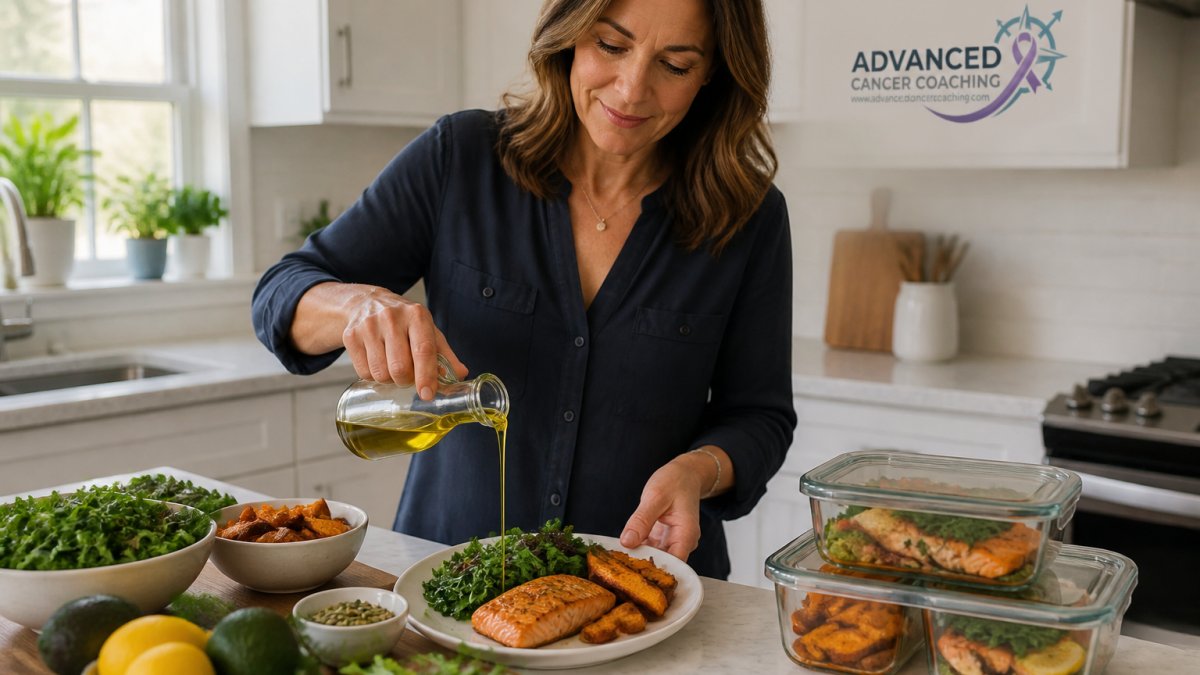
Step 3: Create Your Personalized Recovery Meal Plan
Breakfast: Two eggs + whole grain toast + avocado + berries
Mid-morning snack: Greek yogurt + almonds + honey
Lunch: Grilled chicken + brown rice + roasted broccoli + olive oil
Afternoon snack: Hummus + carrots + whole grain crackers
Dinner: Baked salmon + sweet potato + steamed spinach
Evening: Herbal tea + handful of walnuts
Common Mistakes to Avoid in Post-Treatment Nutrition
Advanced Cancer Coaching specializes in helping patients navigate this integration. With over 20 years of research experience on diet and natural agents, our team creates personalized protocols that work alongside your oncology treatment. Whether through phone, Zoom, or in-person sessions, we guide you through meal planning, supplement safety, and the psychological challenges of dietary changes during recovery.
Frequently Asked Questions
How does integrative nutrition support chemotherapy recovery differently from standard dietary advice?
Integrative nutrition for chemotherapy recovery goes beyond general wellness guidance by addressing the specific metabolic demands and side effects of cancer treatment. It focuses on macronutrients for tissue repair, micronutrients to support immune function, and anti-inflammatory foods that reduce systemic inflammation. This approach works alongside conventional oncology by optimizing your nutritional status to enhance treatment response and accelerate cellular repair during recovery.
What are the best dietary strategies to reduce inflammation after chemotherapy?
Plant-based whole foods rich in phytonutrients form the foundation: fatty fish high in omega-3s, colorful vegetables, berries, nuts, and seeds. Limit processed foods, refined sugars, and unhealthy fats that promote inflammation. Include turmeric, ginger, and green tea, which contain compounds that support anti-inflammatory responses. Adequate hydration and consistent meal timing also help stabilize blood sugar and reduce inflammatory markers during post-treatment recovery.
Are there foods I should avoid after chemotherapy, and how do they interact with my treatment?
Avoid unpasteurized dairy, raw meats, and unwashed produce during immunosuppression following treatment. Grapefruit and certain supplements can interfere with chemotherapy drug metabolism, so discuss these with your oncology team. High-mercury fish, heavily processed foods, and excessive alcohol stress your recovering liver and gut barrier. Some supplements may reduce chemotherapy efficacy or interact with medications. Always verify any dietary additions or restrictions with your medical team to ensure they complement, not contradict, your treatment plan.
How quickly can personalized nutrition coaching help me manage treatment side effects?
Recovery timelines vary based on treatment intensity, overall health, and adherence to the plan. A personalized coaching approach allows your nutritional strategy to evolve with your changing needs throughout treatment and survivorship.