 blog
7 Sleep Therapy Options for Cancer Patients Worth Trying
Last Updated: October 30, 2026
Quick Summary
Yes, sleep therapy is worth it for most cancer patients with ongoing sleep problems, though the answer depends on which therapy, insomnia severity, and what else is going on. The strongest evidence supports cognitive behavioral therapy for insomnia (CBT-I), which improves sleep without adding another drug.
- CBT-I typically runs four to eight sessions, in person or by telehealth, with homework between sessions.
- Light therapy uses a bright light box for 20 to 30 minutes each morning to reset the body clock.
- Keep the same wake time every day, even after rough nights, and stop caffeine after midday.
- Ask your insurer for the specific billing codes for CBT-I before your first appointment.
- Always tell your oncology team about any sleep medicine or supplement before starting it.
Table of Contents
- Why Sleep Problems Hit Cancer Patients So Hard
- Is Sleep Therapy for Cancer Patients Worth It? The Honest Answer
- Cognitive Behavioral Therapy for Insomnia in Cancer Care
- Light Therapy for Cancer Patients' Sleep and Body Clock
- Sleep Hygiene for Cancer Patients: The Foundation Layer
- Sleep Problems After Cancer Treatment: What Changes in Survivorship
- Costs, Insurance, and Access to Sleep Therapy
- Building Your Sleep Plan With Advanced Cancer Coaching
- Frequently Asked Questions
Why Sleep Problems Hit Cancer Patients So Hard
Sleep problems are one of the most common and least discussed side effects of cancer treatment.
The reasons are physical and emotional at once. Pain interrupts sleep. Steroids and other drugs scramble the body clock. Anxiety about scans and results keeps the mind racing at 2 a.m.
And the cycle feeds itself. Poor sleep lowers energy, which raises stress, which makes sleep harder still.
How Cancer and Treatment Disrupt Sleep
Cancer and its treatment disrupt sleep through pain, medication side effects, hormone changes, and the sheer stress of a diagnosis. Each factor can wreck sleep on its own. Together, they almost guarantee it.
Common culprits include:
- Steroids that cause insomnia for days after each dose
- Pain that wakes patients when medication wears off overnight
- Night sweats and hot flashes from hormone therapy
Many patients assume this is just part of treatment. Our guide on managing chemotherapy side effects covers the ones that most often keep people awake.
Insomnia, Pain, and the Anxiety Loop
Insomnia, pain, and anxiety form a closed loop in cancer patients: pain makes sleep hard, poor sleep raises anxiety, and anxiety makes pain feel worse.
Watch out: the biggest mistake is treating only one part of the loop.
Fatigue makes everything harder to manage, too. Strategies for managing cancer treatment fatigue work best when they run alongside a sleep plan, not instead of one.
Is Sleep Therapy for Cancer Patients Worth It? The Honest Answer
Yes, sleep therapy is worth it for most cancer patients with ongoing sleep problems, but "worth it" is not a single yes or no.
The strongest evidence supports structured behavioral therapy, especially cognitive behavioral therapy for insomnia (CBT-I), which improves sleep without adding another drug to an already full medication list. But the quality of evidence is not equal across options, and most guides gloss over that.
What the Evidence Actually Shows, and How Strong It Is
When clinicians say an option is "evidence-based," they mean the studies were designed well enough to trust the result. Not all sleep therapies clear that bar equally.
| Option | Evidence Strength | What the Studies Measure | How Quickly It Helps | How Long Benefits Last |
|---|---|---|---|---|
| CBT-I | Strong, multiple randomized trials and clinical guidelines | Sleep onset, wake after sleep onset, total sleep time, insomnia severity | Often noticeable within 2-4 weeks; full effect by end of program | Durable for months after treatment ends; booster sessions help |
| Light therapy | Moderate | Circadian timing, sleep quality, fatigue, mood | Days to a couple of weeks with consistent morning use | Lasts while the routine is maintained |
| Relaxation techniques | Moderate | Pre-sleep arousal, sleep quality | Immediate for some, cumulative over weeks | Requires ongoing practice |
| Sleep hygiene | Foundational but weak alone | Sleep behaviors and environment | Gradual | Supports other treatments; rarely sufficient by itself |
| Melatonin | Mixed and inconsistent | Sleep onset latency, total sleep time | Variable; some respond, many do not | Unclear; product quality varies widely |
| Acupuncture | Mixed | Sleep quality, pain, fatigue | Variable across studies | Inconsistent |
| Prescription medication | Short-term evidence | Sleep onset and maintenance | Fast, often the first night | Benefits fade with tolerance; rebound insomnia on stopping |
The American Academy of Sleep Medicine clinical practice guidelines recommend CBT-I as initial treatment for chronic insomnia in adults, and cancer-specific guidance from the National Cancer Institute's sleep disorder summaries reaches similar conclusions.
Realistic Outcomes: What "Worth It" Looks Like in Practice
Most patients do not get perfect sleep from any single therapy. A realistic goal is meaningful improvement: falling asleep faster, waking less often, and feeling more rested during the day.
Who Benefits Most, and When to Choose Each Option
Use this as a starting point for a conversation with your care team, not a substitute for one.
- Choose CBT-I first if insomnia has lasted more than a few weeks, if anxiety about sleep is part of the problem, or if you want a drug-free approach with lasting results.
- Consider light therapy if your sleep schedule has flipped (common after hospital stays or with fatigue and low mood), or as a low-risk add-on.
- Use relaxation techniques if pre-sleep anxiety or pain-related tension is the main barrier.
The Comparison Most Guides Skip
What separates a useful answer from a generic one is matching the option to the patient. Severity, treatment stage, coexisting anxiety or pain, and personal preference all change the calculus. A patient with mild, situational insomnia around scan dates may do well with relaxation and sleep hygiene.
That is why "is it worth it" has a real answer: for most cancer patients with persistent sleep problems, at least one of these options is worth pursuing, and the highest-value first step is usually a structured behavioral program, with the others layered in based on what is actually keeping you awake.
Cognitive Behavioral Therapy for Insomnia in Cancer Care
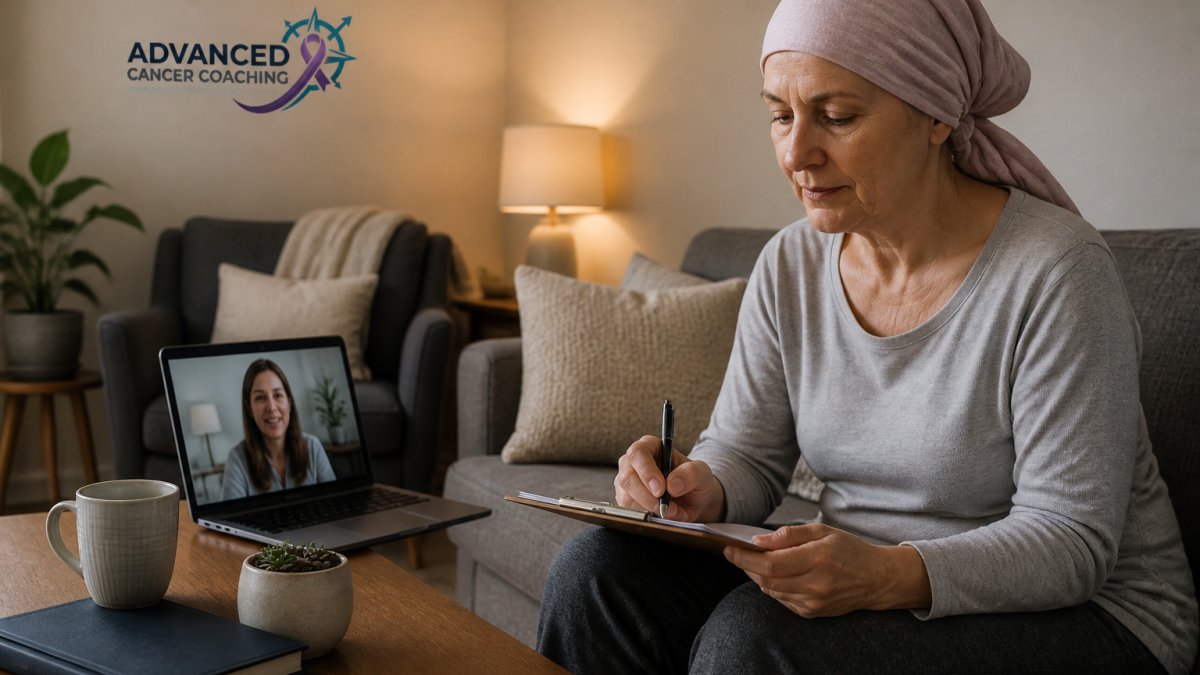
CBT-I is a structured, short-term program that retrains how you think about and behave around sleep. It typically runs four to eight sessions, in person or by telehealth, and it targets the habits and thoughts that keep insomnia going.
What CBT-I Sessions Actually Involve
CBT-I sessions involve sleep tracking, stimulus control, sleep restriction, and cognitive work on unhelpful beliefs about sleep. Expect homework between sessions, and expect the first week or two to feel harder before it gets easier.
The core components:
- Sleep diary: you log bedtime, wake time, and night wakings
- Stimulus control: the bed becomes for sleep only, not worry
- Sleep restriction: time in bed is trimmed to match actual sleep
A common mistake is quitting during week two. Sleep often gets worse before it improves, and that dip is expected. Patients who push through usually see the biggest gains.
Light Therapy for Cancer Patients' Sleep and Body Clock
Light therapy uses a bright light box for 20 to 30 minutes each morning to reset the body clock.
The timing matters more than the device. Morning light tells the brain it is daytime. Evening light does the opposite, so screen use late at night works against you.
For patients on a disrupted schedule, a consistent morning routine with bright light can gradually pull sleep back to normal hours.
Sleep Hygiene for Cancer Patients: The Foundation Layer
Sleep hygiene for cancer patients means the daily habits that make sleep possible: a consistent schedule, a dark and cool room, limited late caffeine, and a wind-down routine.
Think of it this way. Sleep hygiene sets the stage. CBT-I changes the play. Skipping the foundation makes everything else harder.
Practical changes that help:
- Keep the same wake time every day, even after rough nights
- Get out of bed if you are awake and frustrated for more than 20 minutes
- Keep the bedroom dark, quiet, and cool
Sleep hygiene alone rarely fixes chronic insomnia. But without it, no other sleep intervention works as well.
Sleep Problems After Cancer Treatment: What Changes in Survivorship
Sleep problems after cancer treatment often shift rather than disappear. Acute treatment side effects fade, but anxiety about recurrence, hormone changes, and long-term fatigue can keep sleep fragile for months or years.
Survivorship brings its own pattern. Many patients report sleep improving in the first year, then plateauing.
The fix is a maintenance plan, not a one-time cure. Keep the habits that worked. Return to a coach or clinician when sleep slips for more than a few weeks.
Costs, Insurance, and Access to Sleep Therapy
Cost is one of the biggest reasons cancer patients never start sleep therapy, and one of the least discussed. The good news is that the highest-evidence option, CBT-I, is often the most coverable, and there are low-cost and no-cost routes most patients never hear about.
How Coverage Usually Works
Coverage for sleep therapy varies by insurance plan and by treatment type, so check your specific plan details before committing to a program.
What to check before you commit:
- Whether your plan covers behavioral sleep medicine and what the copay is
- Whether your cancer center offers sleep services on site or through a referral
- Whether telehealth sessions are covered at the same rate as in-person visits
Low-Cost and No-Cost Routes to CBT-I
You do not always need a private specialist. Common lower-cost pathways include:
- Your cancer center's supportive care or psycho-oncology team, many offer behavioral sleep help or can refer internally
- Community mental health clinics that employ therapists trained in CBT-I
- Digital CBT-I programs, app-based or web-based structured courses that follow the same principles at a fraction of the cost of one-on-one therapy
A common pattern is that patients assume sleep therapy means expensive private sessions. In practice, the referral route through an oncology team is often the fastest and cheapest path.
What Therapy Involves in Practice, and What It Costs You in Time
Cost is not only money. CBT-I typically runs four to eight sessions, in person or by telehealth, with homework between sessions (sleep diaries, scheduled wake times, stimulus-control rules). That is a real time commitment, especially during treatment. Digital programs compress this into self-paced modules, which suits some patients and frustrates others who want a person to check in with.
Before you start, ask:
- How many sessions, and how often?
- Is telehealth available, and is it covered?
- What homework is expected between sessions?
Comparing Costs Across Options
Rather than quoting a single price, compare options on total cost and total effort:
| Option | Typical Cost Structure | Insurance Likelihood | Time Commitment |
|---|---|---|---|
| CBT-I with a therapist | Per-session behavioral health billing | Often covered in part | 4-8 sessions plus homework |
| Digital CBT-I | Flat program fee or subscription | Sometimes covered; often out of pocket | Self-paced, several weeks |
| Light therapy | One-time device purchase | Rarely covered | 20-30 minutes each morning |
| Relaxation training | Free to low cost (apps, classes) | Not applicable | Daily practice |
| Melatonin | Low, recurring | Not covered | Nightly |
| Prescription medication | Pharmacy copay | Usually covered | Ongoing until stopped |
Pricing depends on the program and session format, so ask for current details directly from Advanced Cancer Coaching or visit our website for a quote. For a fuller breakdown, see the cost of personalized cancer health coaching.
Building Your Sleep Plan With Advanced Cancer Coaching
A sleep plan works best when it is built around your treatment, your symptoms, and your daily routine, not a generic checklist.
We start with what is actually keeping you awake: pain, anxiety, medication timing, or all three.
Our approach includes:
- Personalized sessions by phone, Zoom, or in person
- Precision nutrition guidance to support energy and recovery
- Lifestyle management that accounts for treatment side effects
We do not replace your oncology team. If you want to understand the full scope of what evidence-based coaching involves, our guide on evidence-based cancer coaching for patients walks through it.
Ready to build a plan that fits your life? You can also read how to book cancer wellness coaching to see the steps.
Frequently Asked Questions
Can sleep therapy help cancer patients sleep better?
Yes. Cognitive behavioral therapy for insomnia, known as CBT-I, is the most studied sleep therapy for cancer patients and typically improves sleep quality and reduces the time it takes to fall asleep. Behavioral treatment targets the habits and thoughts that keep insomnia going, which matters because cancer-related sleep disruption often involves both treatment side effects and anxiety. Results usually build over several weeks rather than overnight, so plan for a structured program and track your sleep onset and nighttime awakenings to see progress.
Is cognitive behavioral therapy for insomnia safe during cancer treatment?
CBT-I is a behavioral treatment with no drug interactions, so it is generally considered safe alongside chemotherapy, radiation, and surgery. The main demand is effort: you follow a sleep schedule, keep a diary, and adjust bedtime based on your actual sleep. Fatigue during treatment can make that harder, so tell your care team and your therapist if adherence slips. Because CBT-I does not add medication, it is often a first choice for patients worried about supplements or sedatives interacting with treatment.
How long does sleep therapy take to work?
Most structured CBT-I programs run four to eight sessions, and many patients notice sleep quality improvement within the first two to three weeks. Light therapy usually needs consistent daily use for one to two weeks before sleep patterns shift. Sleep hygiene changes alone rarely fix clinical insomnia but support everything else. If you see no change after four to six weeks of consistent effort, tell your care team so they can reassess pain, anxiety, medications, or other causes of sleep disruption.
When should a cancer patient talk to a doctor about sleep problems?
Bring up sleep problems as soon as difficulty sleeping affects your daily functioning, mood, or treatment adherence. Do not wait for a scheduled scan. Your care team, including your oncology nurse, can screen for insomnia, check whether pain or anxiety is driving it, and review medications that disturb sleep. Ask specifically about a referral to a behavioral sleep specialist for CBT-I. If you snore heavily, gasp at night, or fall asleep during the day, ask about a sleep assessment for sleep apnea before trying other sleep therapy options.
Sleep problems during cancer treatment are common, but they are not something you have to accept as permanent. A structured plan, built around your treatment and your daily life, can make a real difference. Advanced Cancer Coaching offers personalized sessions by phone, Zoom, or in person, with precision nutrition and lifestyle guidance designed to support your recovery. Get started with Advanced Cancer Coaching and build a sleep plan that works for your body and your treatment.