 how-to
How to Manage Cancer Treatment Fatigue
Table of Contents
- Understanding Cancer-Related Fatigue and How It Differs From Ordinary Tiredness
- Why Cancer Treatment Causes Fatigue
- Exercise for Cancer-Related Fatigue: Finding Your Safe Activity Level
- Energy Conservation for Cancer Patients: Pacing and Prioritization
- Cancer Fatigue and Sleep: Building Habits That Restore Energy
- Nutrition, Hydration, and Daily Routine Support
- When to Call a Doctor About Cancer Fatigue
- Creating Your Personalized Fatigue Management Plan
- Frequently Asked Questions
Last Updated: October 11, 2026
Understanding Cancer-Related Fatigue and How It Differs From Ordinary Tiredness
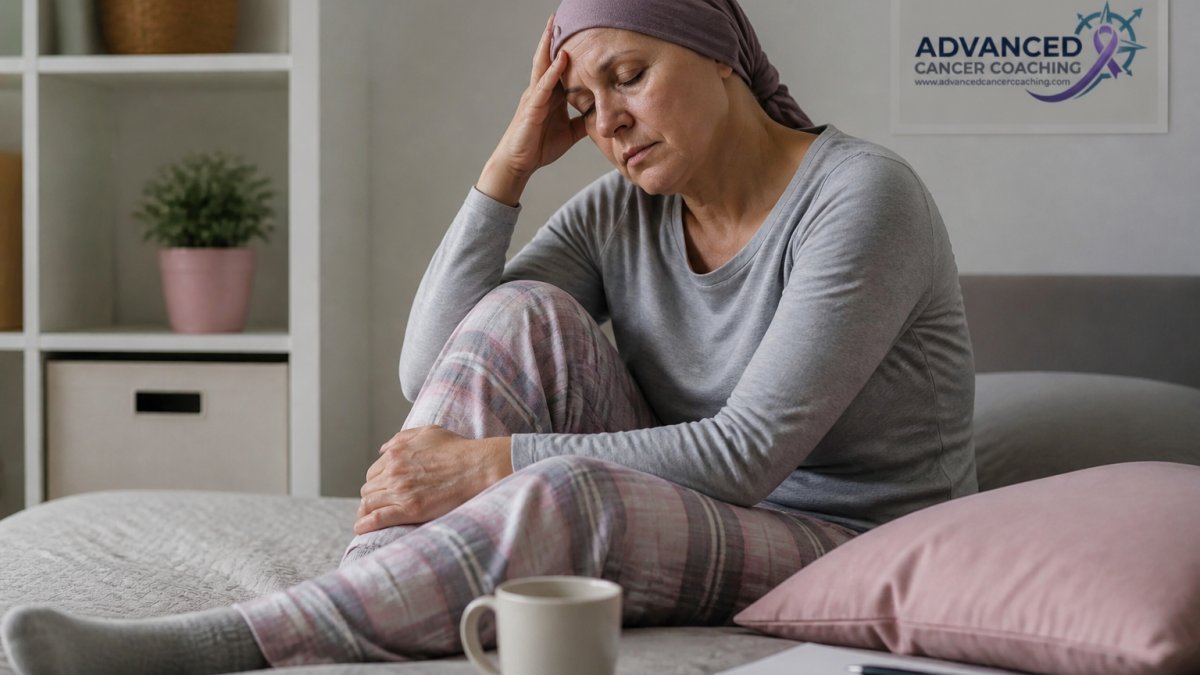
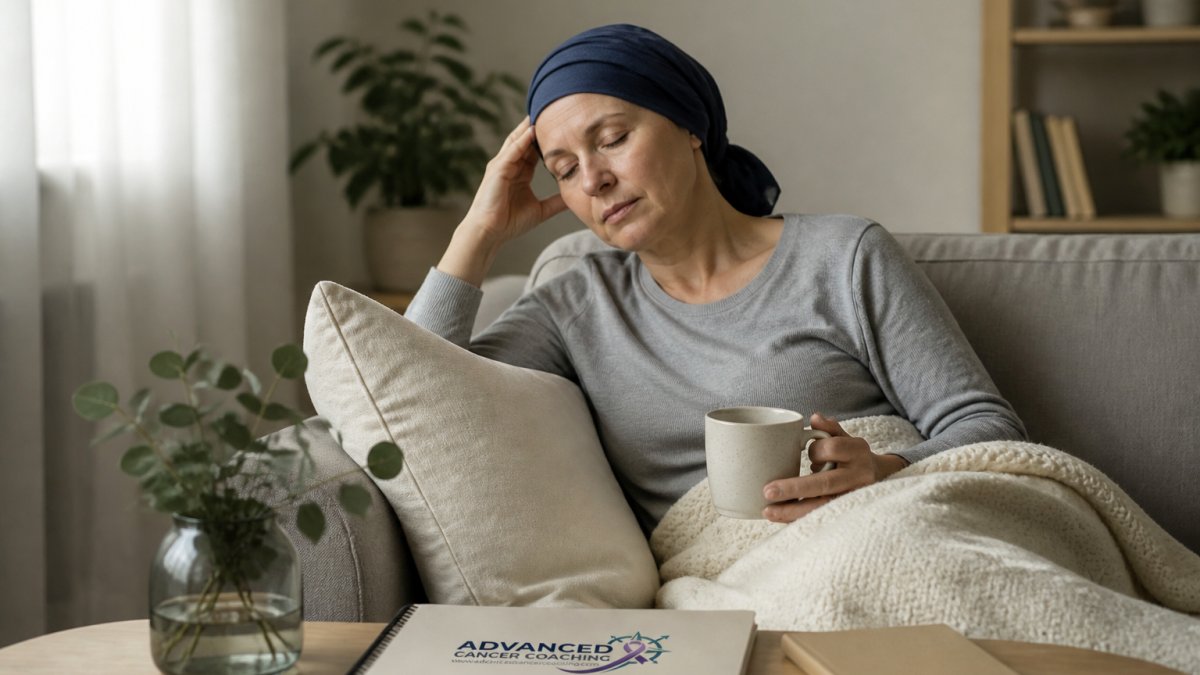
Cancer-related fatigue is persistent exhaustion that doesn't improve with rest and can make simple tasks overwhelming. Unlike ordinary tiredness from activity or sleep loss, cancer-related fatigue stems from cancer itself and its treatment, lasting weeks or months even after treatment ends.
Understanding this distinction is crucial because many people blame themselves for fatigue, thinking they're not trying hard enough. The truth is that cancer and its treatments alter your body at a cellular level.
Common signs include difficulty concentrating, emotional heaviness, physical weakness, and feeling drained despite long sleep. This can create isolation when others don't understand the limitation.
Why Cancer Treatment Causes Fatigue
Cancer-related fatigue stems from multiple overlapping causes. Identifying which factors drive your fatigue helps your care team address treatable problems rather than accepting exhaustion as inevitable.
Direct treatment effects
Chemotherapy, radiation, and immunotherapy damage both cancer cells and healthy tissue. Your body expends enormous energy repairing damage and processing toxic byproducts, your cells work overtime even at rest.
Anemia is one of the most common and treatable causes. Cancer and its treatments reduce red blood cell production, limiting oxygen delivery and creating profound fatigue. A blood test can reveal anemia, which your team can address through transfusions, medications, or iron supplementation.
Infection and inflammatory response
Cancer treatments suppress immune function, making infection more likely. Even low-grade infections can trigger severe fatigue before other symptoms appear. Fever, chills, or unexplained fatigue worsening warrant immediate evaluation.
Your immune system itself may drive fatigue. Immunotherapy and some chemotherapy trigger inflammatory cytokines that cause systemic exhaustion similar to flu, peaking days or weeks into treatment cycles.
Medication side effects and pain
Opioid pain medications, anti-nausea drugs, sleep aids, and some chemotherapy agents list fatigue as a direct side effect. If fatigue worsened after starting a new medication, discuss alternatives or timing adjustments with your oncology team.
Uncontrolled pain also drives fatigue by exhausting your nervous system and disrupting sleep. Better pain management often improves energy levels.
Sleep disorders and disruption
Cancer and treatment can trigger sleep apnea, restless leg syndrome, and insomnia. Poor sleep quality leaves you exhausted even with eight hours in bed. Sleep studies can identify treatable disorders that, when addressed, dramatically improve daytime energy.
Hormonal and metabolic changes
Cancer and its treatments disrupt your endocrine system. Thyroid decline reduces metabolism, elevated stress hormones keep your nervous system activated, and blood sugar dysregulation creates energy crashes. Your team can order thyroid and metabolic panels to identify these treatable imbalances.
Emotional and psychological factors
Anxiety, depression, grief, and fear of recurrence are major drivers of fatigue. Chronic stress burns energy reserves, and depression causes profound fatigue independent of physical illness. These are treatable through oncology social workers, psychologists, and psychiatrists specializing in cancer care.
Why assessment matters
Fatigue is a symptom, not a diagnosis. Assessment identifies what's driving it so causes can be addressed through medication, supplements, behavioral changes, or acceptance. Work with your team early to create a fatigue assessment plan including blood work, sleep evaluation, pain assessment, and depression screening to guide targeted interventions.
Exercise for Cancer-Related Fatigue: Finding Your Safe Activity Level
Movement helps manage cancer treatment fatigue, but must match your treatment stage, fitness level, and medical clearance. The goal is sustainable activity that energizes rather than exhausts.
Check with your care team first
Before starting or changing any exercise program, discuss it with your oncology team or oncology-trained physical therapist. Some treatments or conditions require activity restrictions: high-dose chemotherapy may require modified activity to protect your heart; post-surgery restrictions depend on type and location; bone metastases may require weight-bearing modifications; severe anemia or heart involvement may limit intensity; severe neuropathy increases fall risk with balance-challenging exercises.
Your care team can clear you for exercise, suggest modifications, or refer you to a cancer rehabilitation specialist. This brief conversation prevents setbacks.
Activity levels by treatment stage
During active treatment (chemotherapy, radiation, immunotherapy)
Focus on gentle, short-duration movement that maintains function without stress. Options include walking (10-20 minutes), gentle stretching (5-10 minutes daily), water activity (10-15 minutes), cancer-specific yoga or tai chi (15-20 minutes), and breathing exercises (5 minutes).
Early recovery (first 4-8 weeks after treatment ends)
Gradually increase duration and add variety, but remain conservative. Progress walking to 20-30 minutes, 4-5 days per week. Add light resistance exercises (wall push-ups, leg lifts, 1-3 pound weights) for 10 minutes, 2-3 times weekly.
Later recovery (8+ weeks after treatment)
Gradually build toward pre-cancer fitness: 150 minutes weekly of moderate-intensity aerobic activity (brisk walking, cycling, swimming) or 75 minutes of vigorous activity if cleared.

Listening to your body: The fatigue rule
Fatigue should stay stable or improve slightly after activity, not worsen. Good response: you feel slightly energized or neutral, sleep well, and feel better the next day. Warning sign: activity leaves you exhausted for hours or days. If you trigger fatigue crashes, reduce duration or intensity by 25-50% and progress more slowly.
Keep a simple activity log (date, activity, duration, how you felt 2 hours later and the next day) and share with your care team. Patterns guide your personalized plan.
Practical strategies for consistency
Start with what feels possible today, not pre-cancer capacity, this prevents frustration and overexertion. Schedule activity at your best energy time (usually morning). Break activity into chunks (three 10-minute walks instead of one 30-minute walk). Find an accountability partner for consistency and safety. Adapt your plan as treatment phases change.
Energy Conservation for Cancer Patients: Pacing and Prioritization
Energy conservation means spending your limited energy on what matters most. This isn't laziness, it's strategic resource management.
Identify your top three priorities each day. Maybe it's eating nutritious meals, spending time with family, and attending a medical appointment. Let other tasks wait. Delegate what you can.
Break activities into smaller chunks. Instead of cleaning your entire house, clean one room. Instead of cooking a full dinner, prepare simple foods.
Plan your day around your best energy hours. Many people feel slightly better in the morning. Schedule important activities then. Save lighter tasks for afternoon slumps.
Say no without guilt. You have limited energy. Protecting it for healing is the right choice. People who care about you will understand.
Cancer Fatigue and Sleep: Building Habits That Restore Energy
Sleep quality matters more than quantity when managing cancer treatment fatigue. Poor sleep deepens exhaustion. Better sleep supports recovery.
Establish a consistent sleep schedule. Go to bed and wake up at the same time each day, even weekends.
Create a calm bedroom environment. Keep it cool, dark, and quiet. Remove screens one hour before bed, the blue light disrupts sleep hormones.
Develop a wind-down routine. Gentle stretching, reading, or listening to calm music signals your body that sleep is coming. Avoid caffeine after early afternoon.
Naps can help, but keep them short. Fifteen to twenty minutes refreshes without disrupting nighttime sleep. Longer naps can leave you groggier.
If sleep remains difficult, talk with your oncology team. Sometimes medications or sleep aids help. Sleep apnea or other conditions might need treatment.
Nutrition, Hydration, and Daily Routine Support
What you eat directly affects energy levels. Consistent meals stabilize blood sugar and prevent energy crashes.
Eat small, frequent meals rather than three large ones. Your digestive system uses less energy processing smaller amounts. Include protein at each meal, it sustains energy better than carbohydrates alone.
Stay hydrated. Dehydration worsens fatigue. Aim for water throughout the day. If plain water feels boring, try herbal tea, broth, or diluted juice.
Simple foods work best during treatment. Scrambled eggs, toast, soup, smoothies, and soft fruits require minimal preparation and digestion.
Maintain a basic routine even on hard days. Wake at a consistent time. Get dressed. Eat at regular intervals. These anchors provide structure and prevent the deeper fatigue that comes from losing all routine.
When to Call a Doctor About Cancer Fatigue
Most cancer-related fatigue improves over time with proper management. Some situations require immediate medical attention.
Contact your doctor if fatigue suddenly worsens despite adequate rest and nutrition. This can signal infection, anemia, or other treatable conditions.
Severe shortness of breath with minimal activity warrants urgent evaluation. This may indicate heart problems or severe anemia.
If fatigue prevents you from eating, drinking, or taking medications, call your team. Your body needs support to continue recovery.
Persistent fever, unintended weight loss, or confusion accompanying fatigue need medical assessment. These suggest complications beyond typical treatment effects.
Don't wait for your next scheduled appointment if something feels seriously wrong. Your instincts matter. Call your oncology center.
Creating Your Personalized Fatigue Management Plan
Work with your care team to build a plan that matches your specific situation. What works for one person may not work for another.
Your plan should include:
- A realistic activity schedule with rest built in
- Meal timing and food choices that work for you
- Sleep habits that improve your rest
- Energy conservation strategies for your daily life
- Clear signs that warrant calling your doctor
- Names and contact information for your care team
Review your plan monthly. Adjust as your energy improves or as treatment phases change. Recovery isn't linear. Flexibility matters.
| Component | Your Plan | Frequency |
|---|---|---|
| Gentle movement | Walking, stretching, or water activity | Daily or 5x weekly |
| Meals | Small, frequent, protein-rich | Every 3-4 hours |
| Sleep schedule | Consistent bedtime and wake time | Every night |
| Rest periods | Short breaks between activities | As needed |
| Doctor check-ins | Review fatigue changes | Monthly or as needed |
Managing cancer treatment fatigue requires patience with yourself and your body. The strategies that work, gentle movement, consistent nutrition, good sleep, and energy conservation, all support your healing. Advanced Cancer Coaching provides expert health coaching and support services tailored to individuals navigating their cancer journey, integrating precision nutrition, nutraceuticals, and lifestyle management to enhance treatment response and support sustainable recovery. Get started today with a personalized fatigue management strategy designed for your unique situation.
Frequently Asked Questions
How long does cancer treatment fatigue typically last?
Cancer-related fatigue can persist during active treatment and for weeks or months afterward, depending on the type and intensity of treatment. Some patients experience fatigue for several months or even years into recovery. The timeline varies widely based on your specific treatment plan, overall health, and how well you manage activity, nutrition, and sleep. Your cancer care team can give you a more specific estimate based on your diagnosis and treatment schedule.
Can exercise actually help with fatigue during cancer treatment?
Yes. Gentle physical activity like walking, stretching, or yoga can improve energy levels and quality of life during cancer treatment. Studies show that even 10-30 minutes of light exercise several times per week helps reduce fatigue symptoms. The key is starting slowly and adjusting intensity based on how you feel that day. Always check with your oncologist before starting any exercise program to ensure it's safe for your specific treatment.
What are treatable causes of cancer-related fatigue I should know about?
Some fatigue stems from factors your care team can address: anemia, thyroid problems, sleep disorders, depression, medication side effects, poor nutrition, or dehydration. If fatigue worsens suddenly or feels different, mention it to your oncologist. They can run tests to identify and treat underlying causes, which may significantly improve your energy. This is why tracking your fatigue patterns and reporting changes to your cancer care team matters.
How can I conserve energy when I'm managing cancer treatment fatigue?
Energy conservation means prioritizing your most important daily goals and breaking tasks into smaller steps. Identify 2-3 priorities each day and do them when your energy is highest. Take rest breaks between activities, ask for help with household tasks, and simplify routines where possible. Balancing activity with adequate rest prevents overexertion, which can worsen fatigue. Many patients find that planning their week around treatment schedules and energy patterns helps them accomplish what matters most.