 how-to
7 Steps to Improve Quality of Life After Cancer Treatment
Last Updated: November 2, 2026
Quick Summary
To improve your quality of life after cancer treatment, start by asking your care team for a cancer survivorship care plan that maps your follow-up care, screening schedule, and wellness goals. Then manage fatigue with gentle daily movement, build healthy food, sleep, and routine habits, and address fear of recurrence and lingering side effects directly. Report new or worsening symptoms to your care team promptly rather than waiting.
- A survivorship care plan should list your cancer type, treatments, follow-up tests, late effects, and who to call.
- Start with a 10-minute walk at the same time daily, adding 2-5 minutes only if you feel steady.
- Set aside 15 minutes a day to write down worries about cancer coming back.
- Schedule a handoff visit with your primary care clinician within three months of finishing treatment.
- Contact your doctor about new pain lasting more than two weeks or unexplained weight loss.
Table of Contents
- Start With a Cancer Survivorship Care Plan
- Managing Fatigue After Cancer Treatment
- Build a Healthy Lifestyle After Cancer Treatment
- Address Fear of Cancer Recurrence Directly
- Handle the Side Effects That Outlast Treatment
- Rebuild Emotional Well-Being and Social Support
- Know When to Seek Medical Help
- Get Personalized Support for Your Recovery
- Frequently Asked Questions
Start With a Cancer Survivorship Care Plan
A cancer survivorship care plan is a written document that maps your follow-up care, screening schedule, and wellness goals once active treatment ends.
The first step to improve your quality of life after cancer treatment is to ask your care team for this document. Many treatment centers now provide one automatically. If yours doesn't, request it directly, and ask specifically for the treatment summary and follow-up care plan, which are often two separate documents.
What Belongs in Your Plan
A complete plan covers the practical details that keep you oriented:
- Your cancer type, stage, and exact treatments received
- Names and doses of drugs, plus radiation sites if applicable
- Recommended follow-up visits and screening tests, with timing
Keep a copy where you can find it fast. Bring it to every appointment, including visits with a new doctor. The National Cancer Institute's survivorship resources explain what a strong plan should include and how to use it.
How to Build the Plan If Your Center Doesn't Provide One
Many survivors finish treatment without a formal document. You can assemble one yourself in about an hour using three sources:
- Your treatment records. Request the treatment summary from your oncology office. It should list drugs, doses, radiation fields, and surgery dates.
- Your discharge instructions. These usually name follow-up intervals and warning signs. Fold them into the plan.
- A late-effects checklist. Ask your oncology nurse which late effects are associated with your specific regimen, for example, cardiac monitoring after certain chemotherapies, bone health checks after hormone therapy, or thyroid testing after neck radiation.
Write the plan in plain language and keep it to two pages. A plan you can read at a glance beats a binder you never open.
Who Coordinates Care, and Why It Matters
One of the most common gaps after treatment is the question of who is in charge. In practice, three clinicians may share responsibility:
- The oncology team typically owns cancer-specific surveillance and late-effect screening.
- Your primary care clinician usually manages general health, vaccinations, blood pressure, and screening for other conditions.
- Specialists (cardiology, endocrinology, physical therapy) handle specific late effects when referred.
Ask your oncology team directly: "Who is coordinating my follow-up, and how will my primary care clinician receive my treatment summary?" A common pattern is that the oncology office sends the summary to primary care, but only if you request it. Make the request in writing and confirm it was sent.
Use the Plan to Track Late Effects and Screening
A care plan is only useful if it drives action. Attach a one-page tracker to the back of your plan with three columns: date, symptom or screening due, and who you told.
If you're still in treatment, start drafting this now. Waiting until the last infusion means details get lost in the shuffle.
A complete survivorship care plan should cover these practical details.
| Element | What to include |
|---|---|
| Cancer history | Cancer type, stage, and exact treatments received |
| Drugs and radiation | Names and doses of drugs, plus radiation sites |
| Follow-up | Recommended visits and screening tests, with timing |
| Late effects | List of possible late effects to watch for |
| Contacts | Who to call for which concern, including after-hours numbers |
| Lifestyle goals | Goals for diet, movement, and sleep |
Managing Fatigue After Cancer Treatment
Fatigue after cancer treatment is persistent tiredness that rest does not fix. It's one of the most common complaints among survivors, and it's different from ordinary sleepiness.
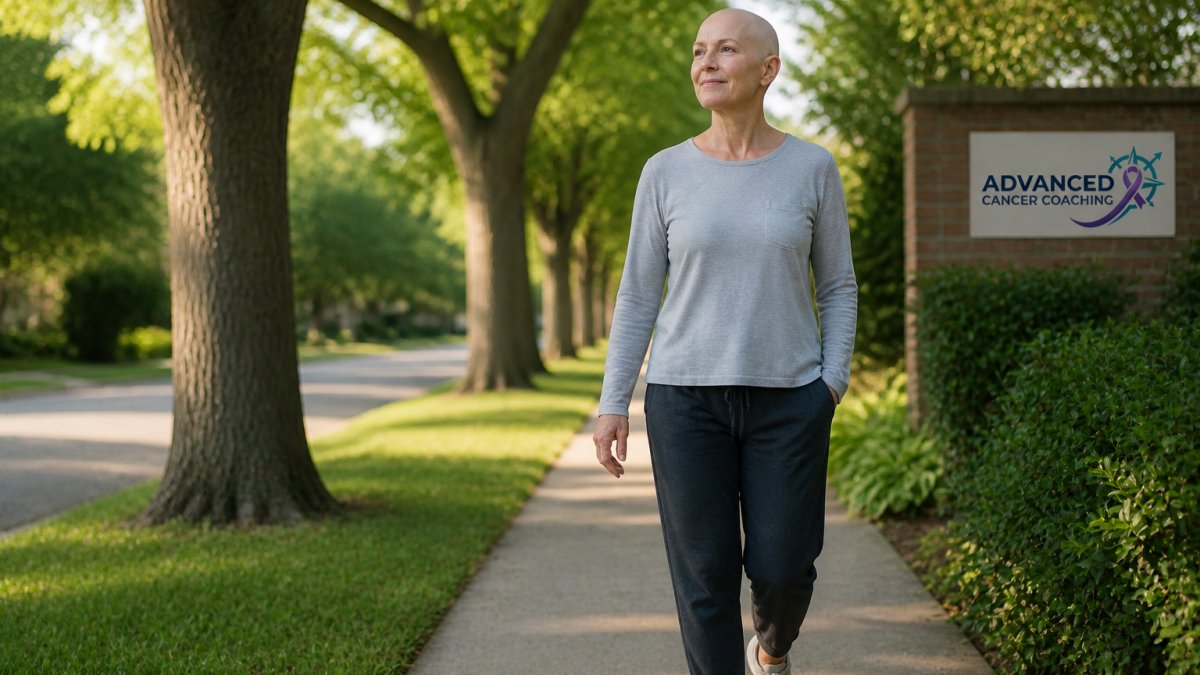
That sounds backwards. When you're exhausted, exercise feels like the last thing you need. But gentle movement actually builds energy over time, while total bed rest drains it.
How to Increase Activity Without Crashing
Start smaller than you think you should. Many survivors try to jump back to their old routine and then spend three days recovering.
Try this approach:
- Pick one light activity, like a 10-minute walk
- Do it at the same time each day for a week
- Add 2-5 minutes only if you feel steady
- Stop while you still feel good, not after you're wiped out
- Track your energy level each evening for two weeks
A common mistake is judging progress by distance or speed. Judge it by how you feel the next day instead. If you're flattened, you went too far.
For a deeper look at pacing strategies, read our guide on how to manage cancer treatment fatigue. And if fatigue is shaping your whole daily routine, our article on lifestyle management for cancer treatment fatigue covers the broader picture.
Build a Healthy Lifestyle After Cancer Treatment
A healthy lifestyle after cancer treatment rests on four pillars: food, sleep, movement, and daily rhythm. None of them needs to be perfect. Consistency beats intensity every time, and small changes held for months do more than dramatic overhauls abandoned in a week.
Food, Sleep, and Daily Routines That Hold Up
Here's what we recommend, in plain terms:
- Eat mostly plants. Build meals around vegetables, fruits, whole grains, and beans. Aim for color on the plate.
- Get enough protein. Muscle mass drops during treatment.
- Drink water steadily. Keep a bottle where you sit. Thirst fades with fatigue.
The American Cancer Society's nutrition guidance for survivors offers detailed food guidance worth reviewing with your care team.
Watch out: extreme diets and supplement megadoses marketed to survivors can interact with your medications. Run every supplement past your oncologist before starting it.
Address Fear of Cancer Recurrence Directly
Fear of cancer recurrence is the worry that the cancer will come back, and it affects a large share of survivors at some point. Avoiding the fear makes it louder.
Try this: set aside 15 minutes a day to write down your worries.
Other tactics that help:
- Ask your oncologist what symptoms actually warrant a call
- Keep your follow-up appointments so uncertainty has a schedule
- Tell one person close to you what you're afraid of
If anxiety is running your days, our article on how to calm anxiety during cancer treatment walks through concrete techniques.
Handle the Side Effects That Outlast Treatment
Some side effects fade within weeks. Others settle in for months or years. Neuropathy, pain, hot flashes, skin sensitivity, cognitive changes, and sexual health concerns are common long-haulers, and each has its own management approach. The key point: side effects are symptom management problems, not character tests. Ask for specialist referrals when something isn't improving.
Neuropathy and Pain
- Neuropathy: report numbness or tingling early. Physical therapy and balance work help, and a physical therapist can assess fall risk. Ask whether your regimen is associated with nerve damage and what monitoring is recommended.
- Pain: ask about a referral to pain management rather than toughing it out. Persistent pain that lasts more than two weeks deserves a conversation, not a wait-and-see.
Hot Flashes and Skin Sensitivity
- Hot flashes: layered clothing, cooler rooms, and a conversation with your doctor about options. Some survivors find trigger tracking, noting what precedes a flash, helps them plan around it.
- Skin sensitivity: gentle, fragrance-free products and sun protection. Radiation-treated skin may stay sensitive for years; ask your radiation oncology team which products they recommend.
Cognitive Changes: The Overlooked Concern
Memory and concentration problems after treatment are common and often underreported. Survivors describe losing words, forgetting appointments, or needing to reread paragraphs. These changes are sometimes called "chemo brain," but they can follow surgery, radiation, or hormone therapy too.
What helps in practice:
- Write it down. Use one calendar and one notebook. Reduce multitasking; do one task at a time.
- Protect sleep. Sleep problems can worsen cognitive symptoms, so ask your care team how to address sleep as part of your plan.
- Move your body. Regular gentle activity is associated with better cognitive function in survivors.
Sexual Health and Body Image
Intimacy and body image concerns are among the least discussed recovery topics, yet they affect quality of life significantly. Treatment can change desire, lubrication, erectile function, and how you feel in your body.
- Ask directly. Your oncology team can refer you to a gynecologist, urologist, or sexual health specialist who works with survivors.
- Treat symptoms, not just the topic. Vaginal dryness, pain with intimacy, and erectile changes often have practical management options. Ask about them.
- Address body image. Scars, hair changes, and weight shifts can affect confidence. Peer support and counseling help, and so does time.
Fertility and Family Planning
If you may want children, ask for a fertility referral promptly, some options are time-sensitive. Even if you finished treatment years ago, a conversation with a reproductive specialist can clarify your options.
Managing chemotherapy side effects that linger is its own skill set. Our detailed guide on how to manage chemotherapy side effects covers each of these in depth. If a symptom is new, worsening, or interfering with daily life, contact your oncology team rather than waiting for your next scheduled visit.
Rebuild Emotional Well-Being and Social Support
Emotional well-being after treatment rarely bounces back on its own. It gets rebuilt through contact, structure, and honest conversation.
Start with one connection per week. A phone call counts. So does a support group, in person or online.
Support groups work because everyone in the room understands without explanation. If groups aren't your style, consider:
- A therapist who works with cancer survivors
- A peer matching program through your hospital
- A faith or community group
Social support also covers practical help. Let people bring meals, drive you to appointments, or sit with you during scans. Accepting help is a skill, and it protects your energy for recovery.
Know When to Seek Medical Help
Call your care team promptly, not eventually, when something new appears. Survivors often wait because they don't want to seem anxious. That delay is the real risk.
Contact your doctor for:
- New pain that lasts more than two weeks
- Unexplained weight loss
- Fever or night sweats
Go to emergency care for chest pain, trouble breathing, confusion, or uncontrolled bleeding.
Your survivorship care plan should list exactly who to call and after hours numbers. If it doesn't, fix that gap this week.
Get Personalized Support for Your Recovery
Generic advice has a ceiling. Your cancer type, treatment history, and body all shape what recovery should look like, and a plan built for someone else may not fit you.
That's where personalized coaching earns its place. Advanced Cancer Coaching offers personalized coaching sessions by phone, Zoom, or in person.
If you're ready to start with a plan that fits your body, get started today with Advanced Cancer Coaching.
Frequently Asked Questions
How long does it take to feel normal after cancer treatment?
There is no fixed timeline. Recovery varies by cancer type, treatment intensity, and overall health, and many survivors describe a gradual process measured in months rather than weeks. Fatigue, neuropathy, and cognitive changes often ease slowly with consistent light movement, sleep routines, and follow-up care. Rather than waiting for a single 'normal' day, track small improvements in energy and daily function, and raise any symptom that worsens or persists with your care team so it can be addressed early.
What should a survivorship care plan include?
A cancer survivorship care plan should record your diagnosis and treatment history, the names and doses of drugs you received, and any radiation fields. It should list recommended follow-up tests and screening schedules, who is responsible for each, and warning signs that need prompt attention. Add a summary of late effects to watch for, current medications, and lifestyle recommendations. Ask your oncology team for a written copy and share it with your primary care doctor so both are working from the same information.
How can I cope with fear of cancer recurrence without letting it take over?
Fear of cancer recurrence is common and does not mean something is wrong. Set aside a specific short window each day to address health worries, then redirect attention to something concrete. Keep every follow-up appointment so uncertainty is managed with facts rather than imagination. Cognitive behavioral therapy and support groups both help, and a survivorship care plan gives you a clear schedule to check against. If fear interferes with sleep, work, or daily life for weeks, tell your doctor or a counselor.
When should I contact my doctor about symptoms after treatment?
Call your care team for new or worsening pain, unexplained weight loss, persistent fever, shortness of breath, unusual bleeding, or swelling that does not settle. Also report numbness, balance problems, or memory changes that affect daily tasks, and any symptom that keeps you from eating, sleeping, or working. Keep a simple log of what you notice and when. Early contact is not overreacting; it lets your doctor decide whether a symptom needs testing or can be managed with adjustments to your healthy lifestyle after cancer treatment.
Recovery after cancer treatment asks you to rebuild routines, manage lingering symptoms, and face uncertainty, often all at once. You don't have to sort through it alone. Advanced Cancer Coaching offers personalized nutrition guidance, lifestyle management, and one-on-one sessions by phone, Zoom, or in person, all built to support the treatment your oncology team provides. Get started with Advanced Cancer Coaching and build a recovery plan made for your body.