 how-to
Lifestyle Management for Cancer Treatment Fatigue
Table of Contents
- Understanding Cancer-Related Fatigue and Treatment Impact
- Energy Conservation Techniques for Cancer Patients
- Nutrition for Cancer Fatigue: Strategic Eating During Treatment
- Sleep Hygiene and Rest Strategies
- Physical Activity and Exercise Guidelines During Treatment
- How to Track Fatigue Levels During Treatment
- Stress Management, Mindfulness, and Cognitive-Behavioral Approaches
- When to Talk to Your Healthcare Team About Fatigue
- Frequently Asked Questions
Last Updated: September 28, 2026
Understanding Cancer-Related Fatigue and Treatment Impact
Cancer treatment fatigue is one of the most common side effects patients experience during and after treatment. Unlike normal tiredness, this exhaustion persists despite rest and can interfere with daily activities, work, and relationships. Lifestyle management for cancer treatment fatigue requires a personalized approach that addresses physical, nutritional, and emotional factors simultaneously.
Fatigue stems from multiple sources: cancer cells consume energy rapidly, treatment drugs deplete your body's resources, and stress and sleep disruption compound the problem. Understanding these causes helps you target interventions more effectively.
Small, consistent changes in how you move, eat, sleep, and manage stress can support improvements in energy levels.
Energy Conservation Techniques for Cancer Patients
Energy conservation means matching your activities to your available energy, working with fatigue strategically rather than fighting it.
Start by tracking your energy patterns:
- Note when you feel strongest (usually morning for many patients)
- Record which activities drain you fastest
- Identify tasks that can wait versus those that matter most
Use the "energy envelope" approach: treat daily energy as a fixed budget, spend it on priorities first, and save lower-priority tasks for days with surplus.
Practical strategies include:
- Batch similar tasks together. Doing laundry, dishes, and tidying in one block uses less total energy than spreading them across the day.
- Sit while working. Standing burns more energy. Use a shower chair, kitchen stool, or desk chair whenever possible.
- Delegate ruthlessly. Ask family members to handle cooking, cleaning, or errands. This is not weakness, it's smart resource management.
- Break large tasks into smaller steps. Instead of "clean the house," do "tidy the bedroom" one day and "organize the kitchen" the next.
- Use technology to reduce effort. Online grocery delivery, meal kits, and automatic bill pay all conserve energy for things that matter more.
Consistency is key as small daily choices compound.
Nutrition for Cancer Fatigue: Strategic Eating During Treatment
What you eat directly affects your energy levels and treatment response. Nutrition for cancer fatigue focuses on steady fuel delivery rather than quick fixes.
Small Frequent Meals and Hydration
Large meals demand significant digestive energy. Aim for 5-6 small meals or snacks daily instead of 3 large ones, each with protein and complex carbohydrates to stabilize blood sugar and provide sustained energy.
Dehydration worsens fatigue dramatically. Drink water consistently throughout the day, aiming for at least 8-10 glasses daily.
Easy small-meal examples:
- Greek yogurt with berries
- Whole grain toast with almond butter
- Hard-boiled eggs with whole grain crackers
- Smoothie with protein powder and fruit
- Hummus with vegetables and whole grain pita
Anti-Inflammatory Foods and Whole Grains
Cancer treatment triggers inflammation. Anti-inflammatory foods reduce systemic inflammation and support recovery: fatty fish (omega-3s), whole grains (sustained energy), leafy greens (micronutrients), berries and colorful vegetables (antioxidants), and nuts and seeds (healthy fats and protein).
Avoid or minimize processed foods, excess sugar, and fried items, these increase inflammation and worsen fatigue.
Sleep Hygiene and Rest Strategies
Sleep quality directly determines your daytime energy. Cancer treatment disrupts sleep through pain, anxiety, hot flashes, and medication side effects. Improving sleep hygiene creates conditions for restorative sleep.
Establish consistent sleep patterns: same bedtime and wake time daily, 7-9 hours nightly, cool (65-68°F) dark quiet bedroom, and no screens 30-60 minutes before bed. Morning light exposure regulates your sleep-wake cycle; avoid caffeine after 2 PM and limit naps to 20-30 minutes before 3 PM.
If sleep remains difficult, discuss options with your healthcare team. Cognitive-behavioral therapy for insomnia (CBT-I) shows strong results. Some patients benefit from brief meditation or progressive muscle relaxation before bed.
Physical Activity and Exercise Guidelines During Treatment
Moderate movement actually increases energy despite fatigue, improving sleep quality, reducing stress, and building physical capacity.
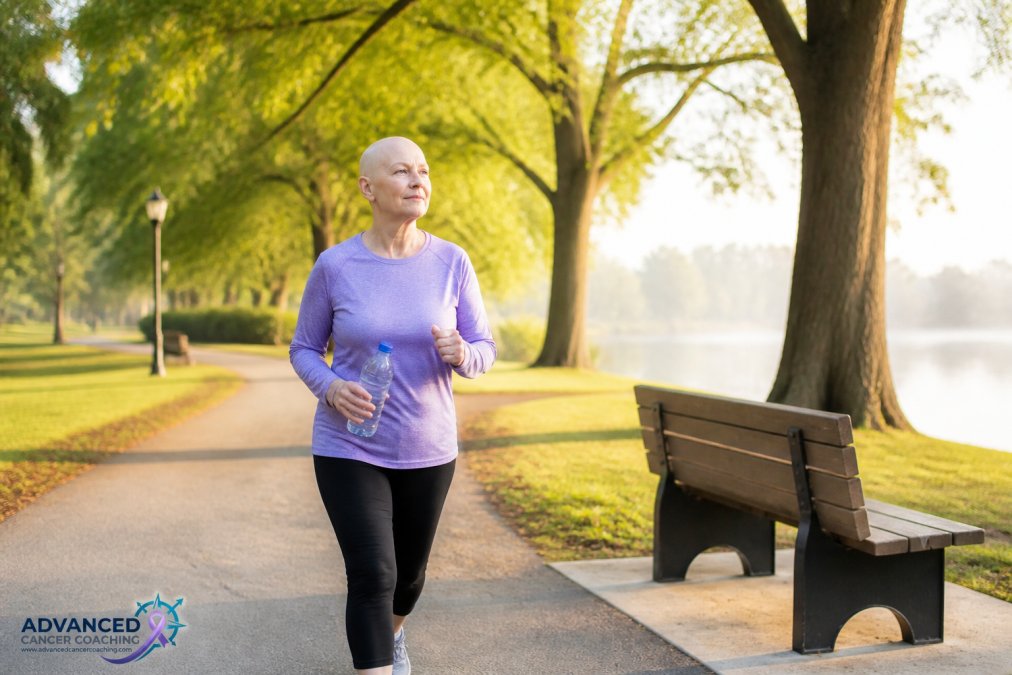
Start conservatively: 3-5 days per week, 20-30 minutes per session (or 10-15 if fatigued), moderate intensity (brisk walking, swimming, cycling), mixing aerobic activity with gentle strength and stretching. Listen to your body; both 30-minute walks and 10-minute sessions count as success. Regular movement compounds; each week of consistency makes the next easier.
Avoid exercise immediately after treatment; adjust intensity based on blood counts and how you feel.
How to Track Fatigue Levels During Treatment
Tracking fatigue systematically reveals patterns, identifies which interventions work for your body, and provides concrete data for your healthcare team.
Validated Fatigue Assessment Tools
While a simple 1-10 scale captures overall severity, validated clinical instruments provide more precision. Your oncology team may use one of these:
FACIT-Fatigue Scale (Functional Assessment of Chronic Illness Therapy). This 13-item questionnaire measures physical fatigue, mental fatigue, and daily function impact. Ask your healthcare team if they use this tool and request your scores to monitor progress.
Daily Energy and Symptom Tracking
Beyond formal assessments, daily tracking reveals personal patterns that clinical scales might miss.
Create a simple tracking log with these daily entries:
- Energy level (1-10 scale): Record each evening. Note the time of day you felt strongest and weakest.
- Treatment timing: Mark chemotherapy, radiation, immunotherapy, or surgery dates. Fatigue often peaks 2-3 days post-treatment.
- Sleep hours and quality (1-10): Track both quantity and subjective quality. Poor sleep often precedes fatigue spikes.
- Nutrition markers: Note whether you ate regular meals, stayed hydrated, and included protein. Skipped meals often correlate with afternoon energy crashes.
- Activity level: Record minutes of intentional movement (walking, exercise, physical therapy) and hours spent sedentary.
- Stress or emotional state (1-10): Anxiety and worry drain energy as much as physical factors. Note stressful events or emotional shifts.
- Medication or supplement changes: New prescriptions, dose adjustments, or supplements can affect fatigue within days.
Technology and Wearable Tools
Digital tools reduce tracking friction and reveal patterns you might miss manually.
Sharing Data With Your Healthcare Team
Bring your data to appointments. Summarize key patterns: "My fatigue is worst 2-3 days after treatment and improves when I sleep 8+ hours." Ask specific questions: "Should I adjust treatment timing?" "Would a sleep study help?" Continue tracking to measure response to recommended changes; most lifestyle changes take 2-3 weeks to show measurable impact.
Stress Management, Mindfulness, and Cognitive-Behavioral Approaches
Stress and anxiety drain energy as much as physical factors. Unmanaged stress triggers inflammation, disrupts sleep, and worsens fatigue. Stress management is foundational to energy recovery.
Deep Breathing, Meditation, and Journaling
Simple daily practices reduce stress measurably. These require no equipment and take 5-10 minutes.
Cognitive-Behavioral Therapy (CBT) for Energy and Mental Clarity
Cognitive-behavioral therapy (CBT) addresses thought patterns that worsen fatigue. Cancer diagnosis triggers catastrophic thinking ("I'll never recover," "I'm a burden") that increases stress and deepens fatigue. CBT teaches you to notice these thoughts, question their accuracy, and replace them with realistic alternatives. Key techniques: identify energy-draining thoughts, question their evidence, replace with realistic alternatives, and practice until new patterns become automatic.
When to Talk to Your Healthcare Team About Fatigue
Lifestyle changes work best alongside medical guidance. Certain fatigue patterns signal that your healthcare team needs to adjust your care plan, and employment challenges require proactive communication with your employer.
Medical Red Flags: When to Contact Your Oncologist
Contact your oncologist if fatigue worsens despite lifestyle changes over 2-3 weeks, prevents basic self-care, or is accompanied by shortness of breath, chest pain, dizziness, fever, infection signs, depression, or hopelessness. Your team can check for treatable causes (anemia, thyroid dysfunction, medication side effects, sleep apnea), adjust treatment timing or doses, refer you to specialists, or recommend additional interventions.
Managing Fatigue While Maintaining Employment
Many cancer patients want to continue working during treatment. Fatigue is the primary barrier. Strategic workplace management allows you to stay employed while protecting your health.
Caregiver and Family Communication
Fatigue affects your whole household. Clear communication prevents misunderstanding and enables better support.
Frequently Asked Questions
Is fatigue normal during and after cancer treatment?
Yes. Cancer-related fatigue is one of the most common side effects during treatment and can persist long afterward. This fatigue differs from normal tiredness, it's not relieved by rest alone and can affect your ability to work, exercise, or manage daily tasks. Understanding that this is a recognized treatment side effect helps you address it proactively rather than attributing it to weakness or depression. Your healthcare team can help distinguish cancer-related fatigue from other causes.
How does nutrition for cancer fatigue differ from general healthy eating?
During cancer treatment, nutrition focuses on reducing systemic inflammation, maintaining energy through small frequent meals, and supporting your body's healing response. Whole grains, oily fish rich in omega-3s, and nutrient-dense foods provide sustained energy without overwhelming a compromised digestive system. Hydration becomes critical, and timing of meals matters, eating before energy crashes helps maintain mental clarity and physical function. This targeted approach complements your oncology treatment rather than replacing it.
What energy conservation techniques actually work during active treatment?
Energy conservation means pacing daily activities to match your available energy, prioritizing essential tasks, breaking large projects into smaller steps, and alternating between activity and rest. Track your fatigue patterns to identify your peak energy times, then schedule demanding tasks then. Delegate non-essential responsibilities, simplify routines, and use tools or technology to reduce physical strain. The goal is sustainable daily function, not pushing through exhaustion, which can worsen treatment side effects.
How do I know if my fatigue is improving, and what should I track?
Track fatigue levels using a simple daily scale (0-10) and note patterns: time of day, activity type, nutrition, sleep quality, and stress levels. Many patients benefit from journaling energy alongside these factors to identify what helps most. Share your tracking data with your healthcare team, patterns reveal whether adjustments to sleep hygiene, physical activity, nutrition, or stress management are working. Improvement may be gradual; focus on small wins like completing one extra task or needing less afternoon rest.