 ultimate-guide
Personalized Cancer Wellness Coaching Benefits
Table of Contents
- What Cancer Wellness Coaching Actually Does
- Precision Nutrition for Cancer Recovery
- Physical Activity and Symptom Management During Treatment
- Emotional Support and Rebuilding Confidence After Diagnosis
- Benefits of Health Coaching for Cancer Survivors
- Post-Treatment Transition and Long-Term Recovery Planning
- Cancer Wellness Coaching Cost and Getting Started
- Conclusion
- Frequently Asked Questions
Last Updated: September 25, 2026
What Cancer Wellness Coaching Actually Does
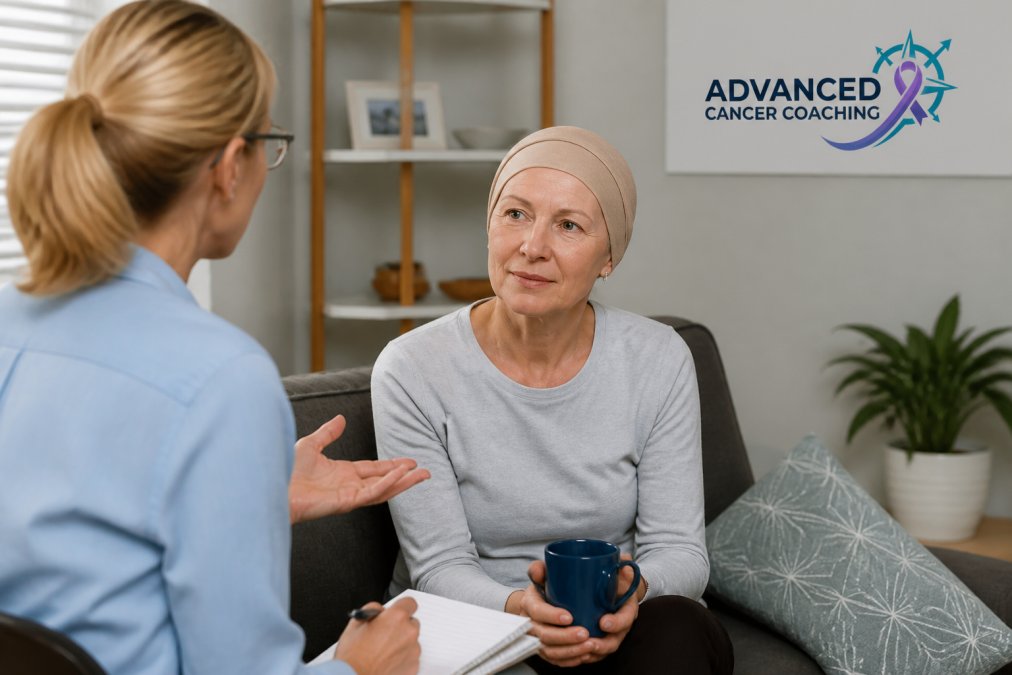
Cancer wellness coaching is a personalized support system designed to help patients navigate treatment decisions, manage symptoms, and build sustainable recovery strategies alongside conventional oncology care. At Advanced Cancer Coaching, we work with individuals to integrate precision nutrition, lifestyle modifications, and emotional resilience into their cancer journey, not as a replacement for medical treatment, but as a complementary approach that enhances overall outcomes.
The role of cancer wellness coaching benefits extends beyond generic wellness advice. A coach trained in oncology-specific nutrition and behavioral change helps you make decisions that align with your actual treatment plan, your body's unique needs, and your long-term recovery goals. This personalized approach addresses the reality that cancer patients face overwhelming, often contradictory information about diet, supplements, and lifestyle choices during and after treatment.
What makes this different from typical health coaching is the clinical context. Your coach understands how chemotherapy, radiation, and immunotherapy affect your metabolism, appetite, and energy levels. They can help you navigate the gap between what your oncologist recommends and the dozens of wellness claims you'll encounter online. The personalized cancer wellness coaching benefits include reduced treatment side effects, better adherence to your medical protocol, and a clearer sense of agency during a period when much feels out of your control.
Precision Nutrition for Cancer Recovery
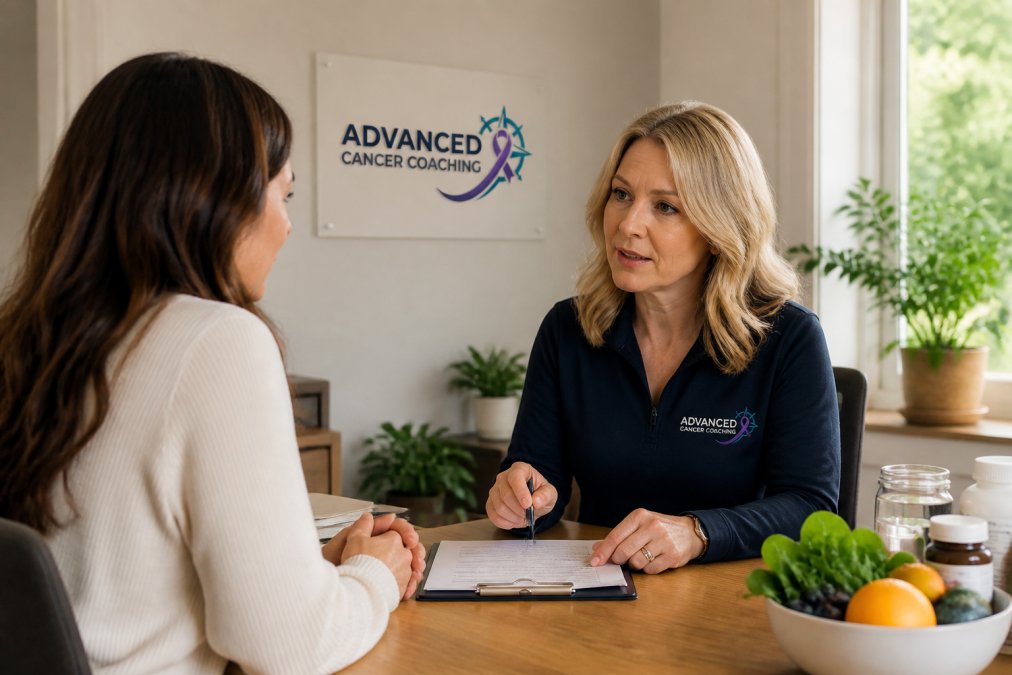
Precision nutrition for cancer recovery means tailoring your eating strategy to your specific cancer type, treatment phase, and individual metabolic needs, not following a one-size-fits-all diet. The difference between generic "eat healthy" advice and personalized nutrition is measurable: a coach trained in nutritional oncology understands how to modulate inflammation, support your immune system, and help your body tolerate treatment more effectively.
During active treatment, your nutritional priorities shift. Early chemotherapy might require high-calorie, easy-to-digest foods to prevent weight loss and maintain strength. Later phases might focus on anti-inflammatory strategies to reduce side effects. A personalized nutrition plan accounts for these phases and adjusts as your treatment progresses. Many cancer patients find that working with someone who understands these nuances prevents the common trap of following restrictive diets that actually compromise their recovery.
The cancer wellness coaching benefits in nutrition become especially clear when you're navigating conflicting advice. Some sources recommend avoiding certain foods during chemotherapy; others claim those same foods are essential. A coach grounded in evidence-based oncology nutrition can clarify which recommendations align with your treatment and which don't. This reduces decision fatigue and helps you make choices with confidence rather than anxiety.

Physical Activity and Symptom Management During Treatment
Physical activity during cancer treatment requires careful calibration. Too little activity accelerates deconditioning and fatigue; too much can compromise your immune system when it's already managing treatment stress. The personalized cancer wellness coaching benefits here involve building an activity plan that matches your current capacity, adjusts to your energy levels week by week, and actually reduces common treatment side effects like fatigue and muscle loss.
Research consistently shows that patients who maintain some level of physical activity during treatment experience better treatment tolerance, shorter recovery times, and improved emotional well-being. The challenge is knowing what "some level" means for your specific situation. A wellness coach trained in cancer recovery helps you establish realistic activity targets based on your baseline fitness, treatment intensity, and how your body is responding in real time.
Symptom management through movement is often overlooked. Walking, gentle stretching, or supervised strength training can reduce chemotherapy-related fatigue, improve sleep quality, and ease anxiety. A personalized approach means your activity plan evolves as your treatment does. Early in chemotherapy, the goal might be maintaining basic mobility. During recovery phases, the focus shifts to rebuilding strength and endurance. This adaptive strategy prevents the common mistake of either overdoing it or becoming sedentary.
Emotional Support and Rebuilding Confidence After Diagnosis
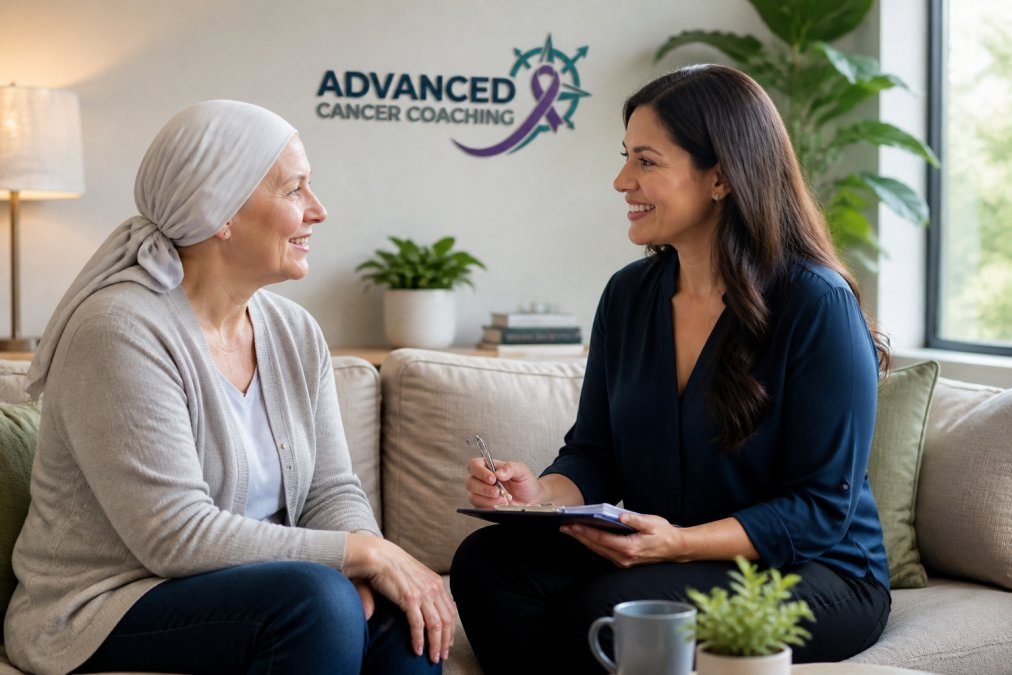
A cancer diagnosis disrupts your sense of control and identity. The emotional weight of treatment decisions, fear of recurrence, and the loss of your pre-diagnosis life are real psychological burdens that conventional oncology often addresses only briefly. Cancer wellness coaching benefits include structured emotional support that helps you process these challenges, navigate treatment decisions alongside your oncology team, and rebuild confidence in your body and your future.
One of the most underutilized benefits of personalized cancer wellness coaching is guidance through the treatment decision-making process itself. When your oncologist presents options, surgery versus radiation, chemotherapy regimens, clinical trial participation, a coach trained in oncology can help you clarify your values, understand the trade-offs, and prepare questions for your medical team. This is not medical advice; it's decision support. A coach helps you move from passive acceptance to informed participation in your own care, which research shows correlates with better treatment adherence and psychological outcomes.
Coaches also serve as a bridge between you and your oncology team. Many patients struggle to communicate side effects, concerns, or lifestyle barriers to their doctors during brief clinic visits. A wellness coach can help you articulate these issues clearly, document patterns (like which foods trigger nausea or which times of day your energy crashes), and relay this information to your medical team in ways that inform treatment adjustments. This coordination reduces the isolation many patients feel and ensures your oncologist has a fuller picture of how treatment is affecting your daily life.
Many cancer patients report that the psychological side of recovery matters as much as the physical side. A coach trained in behavioral change and resilience building helps you move from "I'm a cancer patient" to "I'm someone managing cancer as part of my life." This shift is not about positive thinking or denial; it's about developing practical strategies for managing fear, rebuilding routines, and reconnecting with activities that matter to you. Specific techniques might include cognitive reframing for scanxiety (the anxiety surrounding follow-up appointments), behavioral activation to counter treatment-related depression, or values clarification exercises to help you prioritize what matters most during recovery.
The personalized cancer wellness coaching benefits in emotional support extend to your relationships. Treatment often strains family dynamics and friendships. A coach can help you communicate your needs clearly, set realistic expectations for what others can support, and rebuild social connections that were disrupted during treatment. This relational dimension of recovery is frequently underestimated but deeply affects long-term outcomes and your sense of belonging during and after treatment.
Benefits of Health Coaching for Cancer Survivors
The benefits of health coaching for cancer survivors shift focus from treatment management to long-term resilience. Survivorship brings its own challenges: lingering side effects, fear of recurrence, identity questions, and the need to rebuild a life that often feels fundamentally changed. Cancer wellness coaching benefits during survivorship include structured support for managing these transitions and building sustainable habits that reduce recurrence risk.
Many survivors struggle with what's called "scanxiety", the anxiety surrounding follow-up imaging and blood work. A coach helps you develop coping strategies, manage the emotional rollercoaster of surveillance appointments, and channel your energy into modifiable health factors you can actually control. This sense of agency is critical for long-term psychological recovery.
The cancer wellness coaching benefits also include guidance on managing long-term side effects. Neuropathy, cognitive changes, cardiac effects, and metabolic shifts can persist for years after treatment ends.
Post-Treatment Transition and Long-Term Recovery Planning
The transition from active treatment to survivorship is often underestimated in its difficulty. You move from frequent medical appointments and clear treatment protocols to a much less structured landscape. The psychological relief of finishing treatment is real, but so is the loss of the structure and support that treatment provided. Post-treatment transition planning helps you navigate this shift intentionally.
Cancer Wellness Coaching Cost and Getting Started
The investment in cancer wellness coaching benefits depends on your specific needs, the scope of your coaching plan, and the frequency of sessions. Advanced Cancer Coaching offers flexible options including phone, Zoom, and in-person sessions to fit your circumstances. For specific pricing and to discuss what a personalized coaching plan would look like for your situation, contact Advanced Cancer Coaching directly to request a consultation.
Conclusion
Cancer diagnosis creates overwhelming complexity: treatment decisions, conflicting health advice, emotional upheaval, and uncertainty about recovery. The personalized cancer wellness coaching benefits address this complexity through structured, evidence-based support that complements your oncology care. Advanced Cancer Coaching provides exactly this kind of personalized guidance, integrating precision nutrition, lifestyle management, and emotional resilience into a comprehensive approach designed to enhance your treatment response and support sustainable recovery.
Frequently Asked Questions
What does a cancer wellness coach actually do?
A cancer wellness coach provides personalized guidance on nutrition, physical activity, stress management, and lifestyle modifications tailored to your specific treatment plan and cancer type. They work alongside your oncology team to support treatment adherence, manage side effects, reduce systemic inflammation, and help you rebuild energy and confidence during and after cancer treatment. Coaching sessions typically address symptom management, behavioral change, and long-term recovery planning through phone, video, or in-person meetings.
How does precision nutrition for cancer recovery complement my oncology treatment?
Precision nutrition uses personalized dietary strategies based on your cancer type, treatment protocol, and individual health markers to modulate your body's inflammatory response and support treatment response. Rather than replacing conventional treatment, it enhances it by addressing nutritional gaps, reducing treatment side effects like fatigue and nausea, and optimizing your body's healing capacity. Your coach coordinates with your oncology team to ensure dietary recommendations align with your medical care and don't interfere with medications or therapies.
Is cancer wellness coaching covered by insurance?
Coverage varies by insurance plan and provider. Some plans cover health coaching when ordered by your physician or as part of a wellness initiative, while others may not. Contact your insurance company directly to ask about coverage for health coaching services. Many patients find that the cost is offset by reduced treatment side effects and faster recovery.
How quickly can personalized cancer wellness coaching help, and what if it's not the right fit?
Most patients notice improvements in energy levels, symptom management, and emotional well-being within 2-4 weeks of starting coaching, though individual timelines vary. Many coaches offer initial consultations or a trial period to ensure the coaching relationship is right for you. If coaching doesn't feel like a good fit after a session or two, discuss this with your coach, adjustments to the approach or frequency of sessions can often be made to better support your needs.